

- Home
- Services
- AI Translation
- TECHVED AI
- Case studies
- CLIENTS
- More

Let's get started
We believe in advancing your business growth with innovative ideations and strategies
Get In Touch


 Back
BackDigital Twins and Simulation: The Future of Risk Modelling in Insurance Technology
#ARVRMR #InsurTech #DigitalTwins

Jay Anthony
13 February 2026 | 8 min read
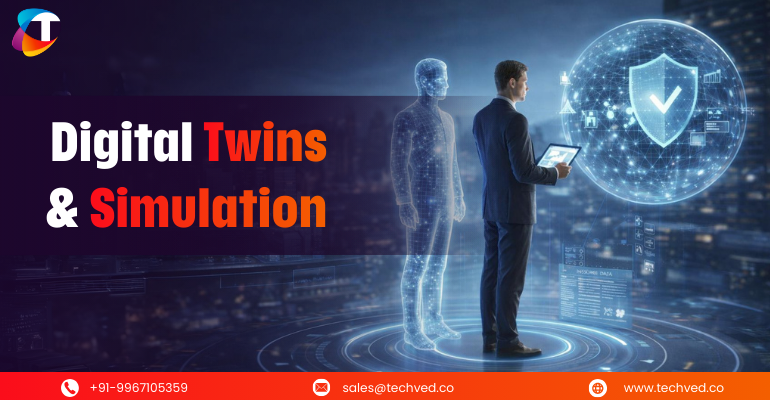
Insurers think about risks everyday as a part of their job. These include natural disasters, traffic patterns, unforeseen health events and system failures. Traditional insurance models rely on historical data, weather forecasts and broad estimates.
But what if you could see the risk's impact in real time? Model the stress on each physical asset? Simulate events like floods and storms?
This is the power of merging digital twins with immersive AR VR MR technology. It moves risk modelling from static spreadsheets to dynamic, visual and incredibly accurate simulations.
What is a Digital Twin in Insurance?
A digital twin is a virtual, living replica of a physical asset or system. For insurers, this could be a building, a fleet of vehicles or even an entire supply chain. It is fed by real-time data from IoT sensors, satellites and operational systems.
This twin allows insurers to monitor health, predict failures and simulate "what-if" scenarios. It transforms risk assessment from reactive guesswork to proactive science.
When you combine digital twins with AR VR MR technology, risk modeling changes from spreadsheet analysis to experiential understanding.
The Immersive Advantage of AR VR MR
A digital twin on a screen is informative. But a digital twin explored through immersive augmented reality services is transformative. Let us explore how AR VR MR technologies amplify the value.
- Augmented Reality (AR) overlays risk data onto the real-world physical spaces. An adjuster wearing AR glasses can see a building's structural integrity, previous claims and real-time stress points during an inspection.
- Virtual Reality (VR) creates a full immersive experience of catastrophic events virtually. Underwriters can "walk through" a virtual factory to assess fire risks or navigate a virtual port to model cargo insurance scenarios.
- Mixed Reality (MR) blends both, combining physical inspection with digital intelligence. Experts in different locations can collaborate on a single, interactive 3D model of a complex asset, making decisions in real time.
This immersive layer is a critical tool for VR UX research and training, creating deeper understanding and better risk intuition.
Transforming Core Insurance Functions
The application of digital twins and AR VR MR is dynamically reshaping the industry.
Underwriting becomes precise. Instead of relying on opaque data, underwriters interact with a dynamic twin. They can run simulations for natural disasters or equipment failure, leading to more accurate pricing.
Claims processing accelerates. After an event, a digital twin can show pre-loss conditions instantly. Adjusters use AR and VR services to document damage and simulate repairs virtually, reducing settlement times from weeks to hours.
Risk prevention becomes a service. Insurers can provide clients with access to their asset's digital twin. This allows for proactive maintenance alerts, potentially preventing losses before they happen. This is a key trend in the augmented reality in BFSI market.
Why BFSI is Leading AR VR Adoption
Financial services and insurance understand risk modeling complexity.
Augmented reality in BFSI market adoption isn't about novelty. It's about precision. When pricing policies worth millions, improved accuracy from immersive augmented reality services directly impacts profitability.
AR VR in banking parallels insurance use cases like fraud detection through behavioral simulation, branch layout optimization and customer experience testing before physical implementation.
Building Effective AR VR Risk Solutions
Start with specific use cases, not broad transformation.
Target one risk modeling challenge, like property inspection, where AR VR solutions deliver clear ROI.
Integrate with existing risk models.
AR VR services work best when they enhance rather than replace current workflows. Digital twins should feed data into actuarial models than operate in isolation.
Prioritize user experience design.
Complex technology fails if users can't navigate it. VR UX research should inform every interface decision. Designs must match personnel designation workflows.
Develop content creation capabilities.
The value of AR content creation compounds over time. Build libraries of simulated scenarios, risk visualizations and training environments that improve with each use.
Executing Your Strategy with TECHVED
Implementing this future requires expertise in both insurance logic and immersive technology. TECHVED provides end-to-end AR VR development services, helping you build a pragmatic augmented reality strategy, execute compelling AR content creation and integrate powerful simulations into your workflow.
Our AR VR solutions are designed to deliver measurable ROI, transforming risk modelling from a cost center into a strategic advantage.
Ready to build a more resilient and predictive future?
FAQs
What are digital twins in insurance? Digital twins are virtual replicas of real assets or scenarios used to simulate insurance risk outcomes.
How do AR VR MR help in risk modelling? AR VR MR enable immersive simulations that improve understanding of complex risks to take appropriate measures or actions.
What are the business benefits of this technology? Benefits include more accurate risk pricing, faster claims settlement, proactive loss prevention and a stronger competitive position in the augmented reality industry.
Can these solutions be used in banking and finance? Absolutely. The use of AR VR in banking for security training, virtual trading floors and property assessment shows showcase capabilities of immersive simulation technologies.
How do we start implementing digital twins? Partner with a specialist like TECHVED for AR VR services that include strategy, VR UX research, development and integration with your systems.
Most Popular
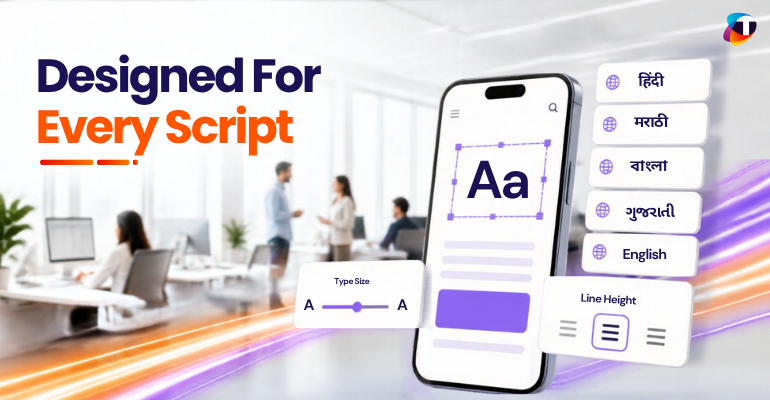
Multilingual UX for Indic Scripts: Where Regional Language Products Quietly Break
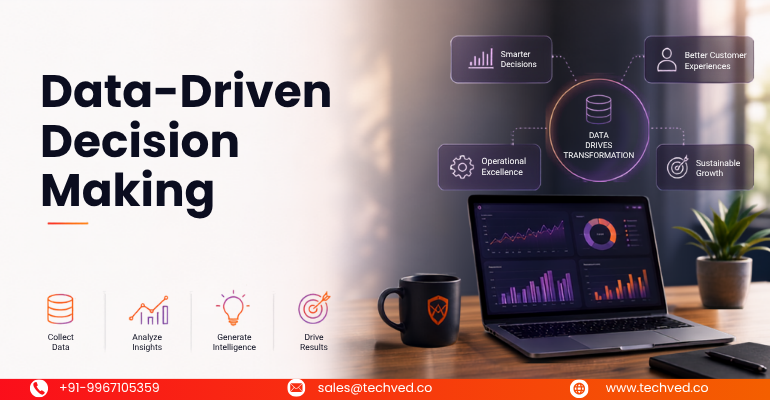
Data-Driven Decision-Making: The Overlooked Foundation of Digital Transformation
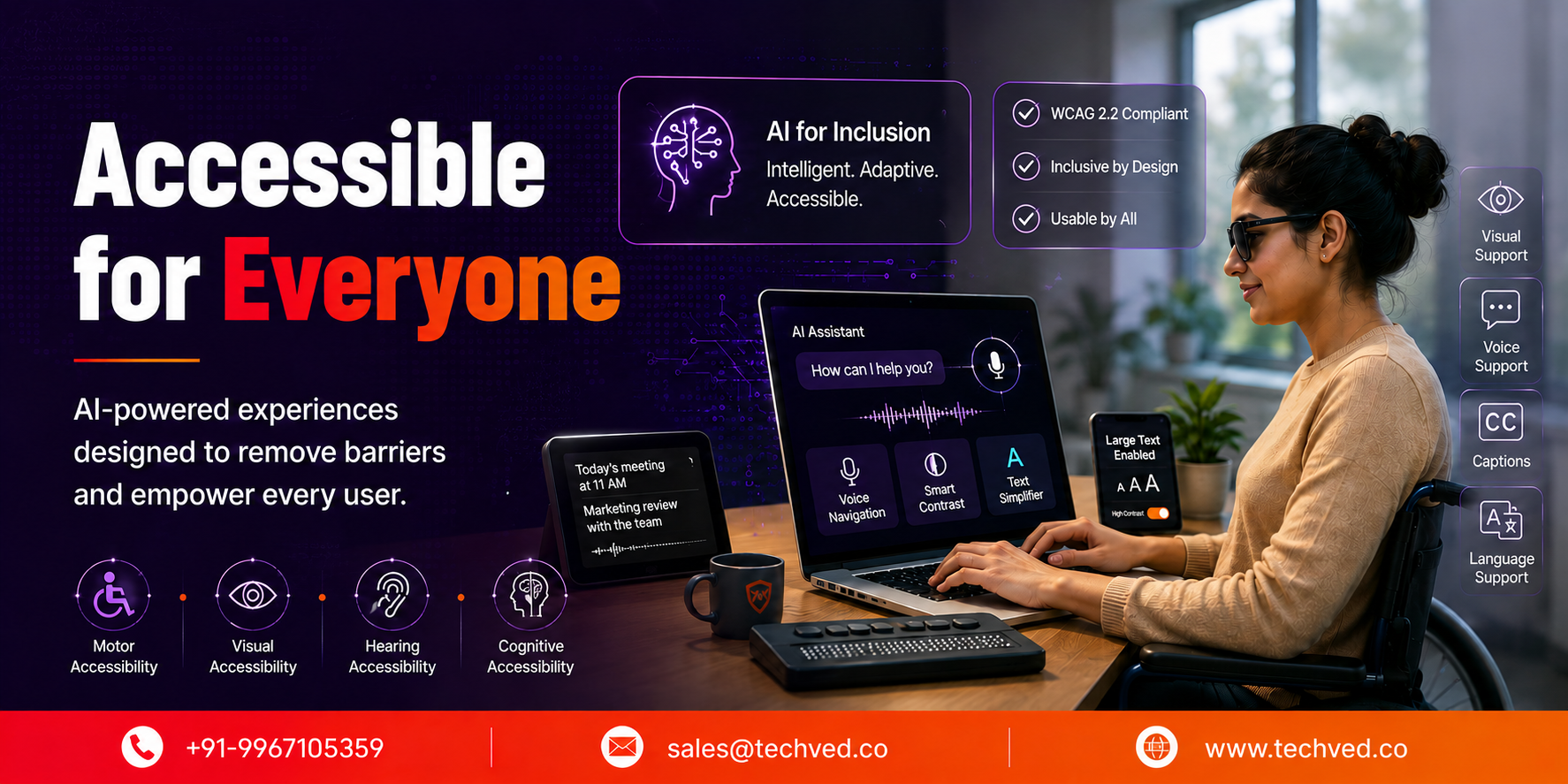
Accessibility in the Age of AI: Designing Inclusive Intelligent Experiences
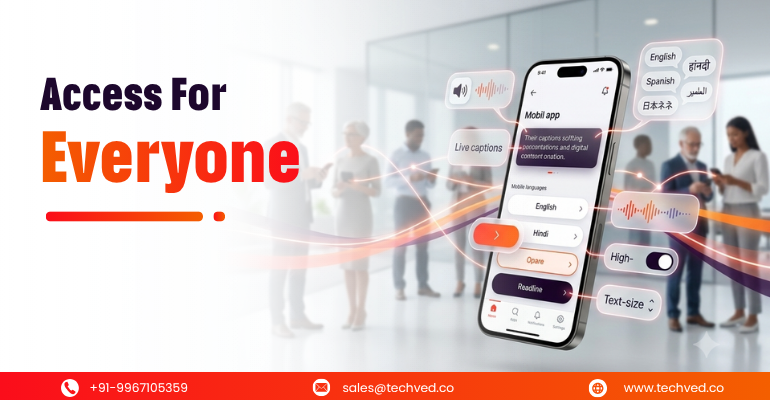
Inclusive Mobile Design: Building Accessible Apps for Global Users
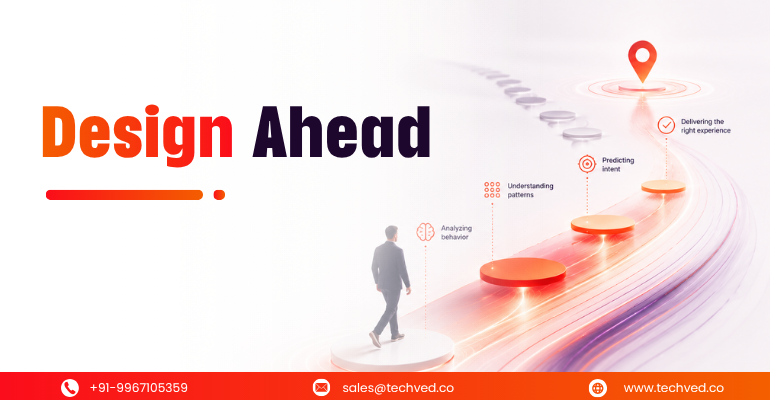
Anticipatory UX: Designing User Experiences That Predict Intent
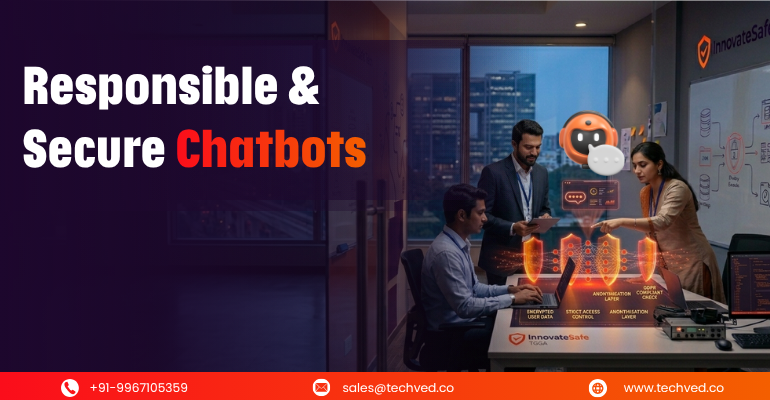
Safe Innovation: Implementing AI Chatbots with Strict Data Privacy Guardrails

DPDP 2025 Readiness: Building Credible Platforms for a Data-First World
Written By
Jay Anthony
Marketing Head
He led efforts to develop a fully integrated marketing communications plan and growing team. He is responsible for successful corporate re-brand and update of all branded assets.

Stay up-to-date with
all new market trends and
happenings
 #MultilingualUX #IndicScripts #RegionalLanguage #DesignSystems #DigitalAccessibility #TECHVED #TECHVEDConsulting
Multilingual UX for Indic Scripts: Where Regional Language Products Quietly Break
#DataDrivenDecisionMaking #DigitalTransformation #EnterpriseAnalytics #BusinessIntelligence #TECHVED #TECHVEDConsulting
Data-Driven Decision-Making: The Overlooked Foundation of Digital Transformation
#Accessibility #DigitalAccessibility #InclusiveDesign #CustomerExperience #DigitalTransformation #EnterpriseAI #TECHVED #TECHVEDConsulting #ExperienceEngineering
Accessibility in the Age of AI: Designing Inclusive Intelligent Experiences
From Ideation To Digital Transformation
We take care of all your needs


