

- Home
- Services
- Automated Translation
- TECHVED AI
- Case studies
- CLIENTS
- More

Let's get started
We believe in advancing your business growth with innovative ideations and strategies
Get In Touch


 Back
BackDPDP Readiness Audit: How Cyber Security & Performance Testing Ensure Compliance
#DPDP #DataProtection #CyberSecurity

Jay Anthony
6 February 2026 | 8 min read
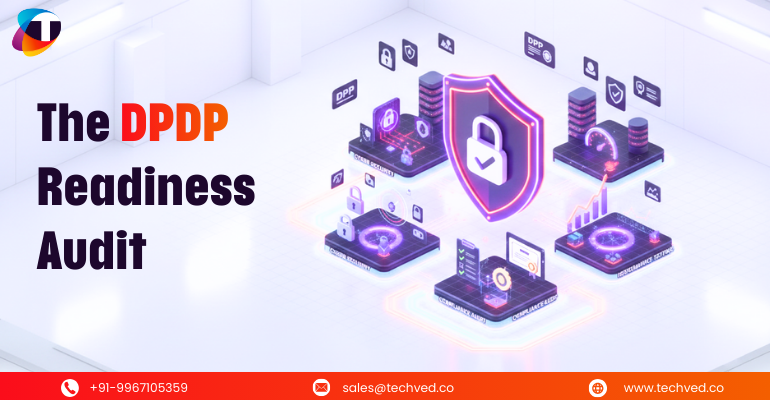
Think of your customer data like a chain of confidential letters you’re entrusted to deliver. If one link is brittle or a courier is unreliable, the entire chain breaks. That’s exactly what happens when your cyber security is outdated and your systems aren’t performance-tested. You’re failing the Digital Personal Data Protection Act before it even fully takes effect.
The Digital Personal Data Protection Act is not just another regulation. It’s a new way of doing business in India and every organization handling personal data must follow the DPDP 2025 rulebook. This means more than just policies. It means proof.
That’s where a DPDP readiness audit comes in. And at its heart are two powerful tools: cyber security and performance testing.
Why a DPDP Readiness Audit Matters
A DPDP readiness audit is not a checklist or a formality. It’s a strategic health check for your data practices. It identifies gaps in how you collect, store, process and delete personal data. Without it, you’re navigating DPDP 2025 rules blindfolded.
The DPDP Act demands accountability. You must show you protect data from breaches and ensure systems perform under pressure. This is where cyber security and performance testing shift from IT concerns to boardroom priorities.
Cyber Security: Your First Line of DPDP Defense
Strong and robust cyber security is the foundation of DPDP compliance. The DPDP Act 2025 requires you to prevent unauthorized access, leaks and data misuse.
A stable India DPDP tech platform integrates security by design. It encrypts data, monitors access and detects threats in real time. Without these measures, you cannot claim DPDP compliance. In simple terms, security failures are compliance failures.
Performance Testing: Ensuring Systems Handle DPDP Demands
What happens when a user requests their data? What if 10,000 users do? Performance testing ensures your systems handle DPDP requests smoothly. Slow or crashed systems break trust and violate the digital personal data protection rules.
Testing validates that your DPDP tech platform scales. It checks data retrieval speeds. It ensures automated compliance reporting works under load. Performance is thus a part of protection.
Why Most Businesses Still Get DPDP Wrong
They involve legal teams too late. They audit documents, not systems. They underestimate technical debt.
The result is compliance which doesn’t function properly.
True readiness for DPDP 2025 requires collaboration between cyber security, performance engineering and governance teams.
This is where expert DPDP consulting services India become critical.
Your DPDP Readiness Audit: A 4-Step Approach
A thorough audit has the right blend of security and performance checks:
- Assess current data flows against the DPDP 2025 rulebook.
- Test cyber security measures for encryption, access control and breach response.
- Conduct performance stress tests on data retrieval and consent management systems.
- Implement a phased roadmap for DPDP services.
This approach turns compliance into a competitive advantage and builds digital governance that customers trust.
Final Thoughts
DPDP compliance in 2026 isn't confined to being a legal project with IT support. It's a technical transformation with legal implications.
The businesses that get this right treat DPDP 2025 as a systems challenge. They invest in cyber security and performance testing as essential compliance tools, not just checkboxes.
TECHVED offers comprehensive DPDP compliance services that combine legal frameworks with technical implementation. Our approach includes DPDP readiness audit services, security assessments and DPDP implementation services to build compliance that works in real-world practice.
Ready to move beyond documentation? Connect with the experts at TECHVED to explore how technical compliance strengthens your digital governance.
FAQs
What is a DPDP readiness audit?
A DPDP readiness audit is a comprehensive assessment of both policy compliance and technical capabilities to meet digital personal data protection rules, including security testing and system validation.
Why is cyber security critical for DPDP compliance?
The DPDP Act 2025 requires organizations to protect personal data with appropriate security measures. Cyber security testing proves systems can actually prevent breaches, not just claim to.
How does performance testing relate to DPDP?
DPDP 2025 rules mandate timely responses to data principal requests. Performance testing validates whether systems can handle these requests at scale without degradation.
What should a DPDP tech platform include?
A compliant India DPDP tech platform should include consent management, data lifecycle controls, access governance, audit logging and integration with existing business systems.
How often should DPDP audits happen?
Initial DPDP readiness audit services should occur before enforcement deadlines. Ongoing audits should happen quarterly or after significant system changes to maintain compliance.
Most Popular

Data-Driven Decision-Making: The Overlooked Foundation of Digital Transformation
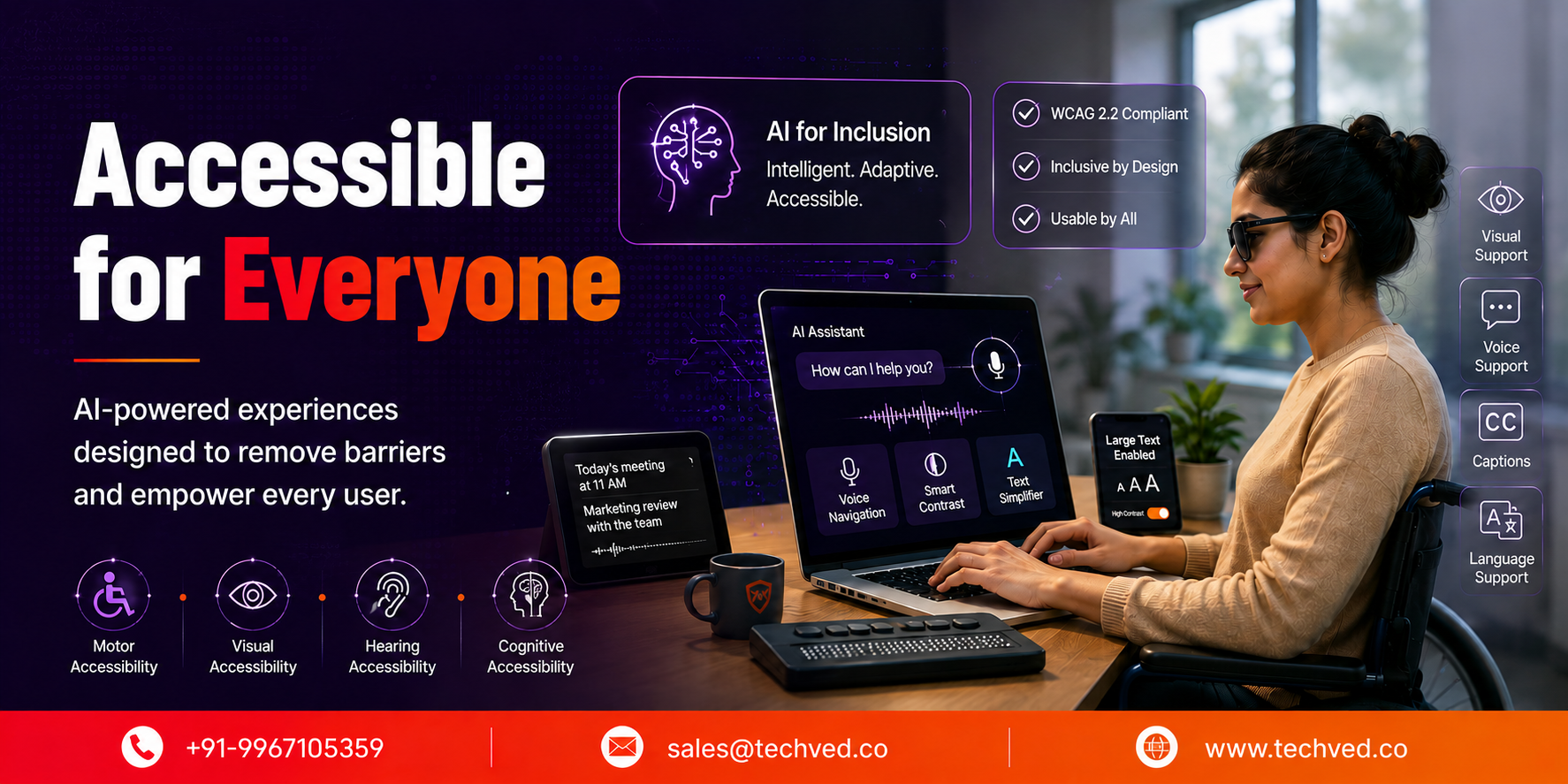
Accessibility in the Age of AI: Designing Inclusive Intelligent Experiences

Inclusive Mobile Design: Building Accessible Apps for Global Users

Anticipatory UX: Designing User Experiences That Predict Intent

Safe Innovation: Implementing AI Chatbots with Strict Data Privacy Guardrails

DPDP 2025 Readiness: Building Credible Platforms for a Data-First World

The Trust Economy: Viewing Cybersecurity as a Growth Strategy
Written By
Jay Anthony
Marketing Head
He led efforts to develop a fully integrated marketing communications plan and growing team. He is responsible for successful corporate re-brand and update of all branded assets.

Stay up-to-date with
all new market trends and
happenings
 #DataDrivenDecisionMaking #DigitalTransformation #EnterpriseAnalytics #BusinessIntelligence #TECHVED #TECHVEDConsulting
Data-Driven Decision-Making: The Overlooked Foundation of Digital Transformation
#Accessibility #DigitalAccessibility #InclusiveDesign #CustomerExperience #DigitalTransformation #EnterpriseAI #TECHVED #TECHVEDConsulting #ExperienceEngineering
Accessibility in the Age of AI: Designing Inclusive Intelligent Experiences
#InclusiveMobileDesign #MobileAccessibility #DigitalAccessibility
Inclusive Mobile Design: Building Accessible Apps for Global Users
From Ideation To Digital Transformation
We take care of all your needs


