

- Home
- Services
- Automated Translation
- TECHVED AI
- Case studies
- CLIENTS
- More

Let's get started
We believe in advancing your business growth with innovative ideations and strategies
Get In Touch


 Back
BackData is the New Battlefield: Aligning Cybersecurity with DPDP in the Age of AI
#CyberSecurity #DPDP #AIDataSecurity

Jay Anthony
17 April 2026 | 8 min read
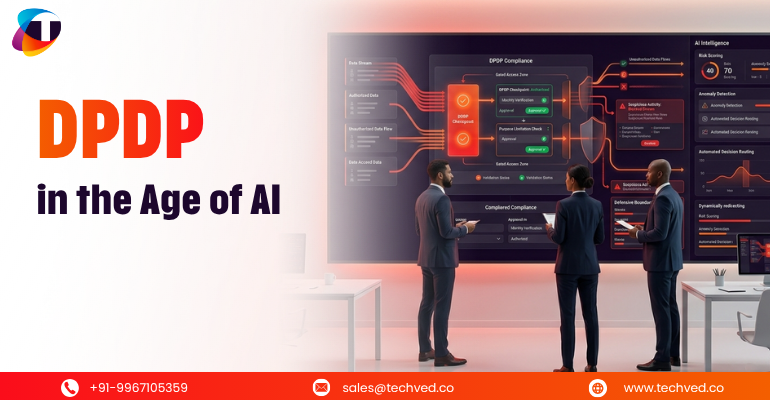
Imagine a world where your personal and sensitive information, from your bank transactions to your health records, is constantly under threat. This isn't a fictional possibility; it is the reality of our digital age. With the rise of artificial intelligence, data has become the most valuable asset and consequently, the primary target.
In India, the Digital Personal Data Protection Act (DPDP Act compliance) marks a significant shift, demanding that enterprises rethink their approach to Cyber Security and data privacy. This isn't just about legal compliance; it is about building trust and safeguarding the digital future.
Why Cyber Security and DPDP Must Work Together
DPDP Act compliance is more than just about legal paperwork. It demands real protection.
Traditional cyber security approaches collected everything and sorted relevance later. Comprehensive logging, extensive monitoring and unlimited data retention seemed prudent for threat detection and forensic investigation.
Data protection India regulations through the DPDP Act challenge these assumptions. Organizations must justify data collection, limit retention periods and provide transparency about processing activities.
The convergence point: both cyber security and DPDP aim to protect individuals from harm. Security prevents unauthorized access. Privacy prevents misuse of authorized access. Together they create comprehensive protection.
The AI Twist: New Threats and New Defenses
AI Cybersecurity cuts both ways. Attackers use AI to craft convincing phishing emails that bypass traditional filters. They automate vulnerability scanning at machine speed and create deepfakes for social engineering.
Defenders must respond with equal intelligence. Cybersecurity for AI systems requires protecting both the data and the models themselves. AI data security involves monitoring for prompt injection, model inversion and poisoning of training data.
Key Statistics: The Urgency of Alignment
Metric
Finding
Implication
Data breach cost
Global average $4.88M
DPDP penalties add financial pressure
AI attack growth
89% YoY increase
Traditional cyber security insufficient
Organizations lacking AI access controls
97%
Massive DPDP compliance gap
Consumer trust impact
67% won't buy from unsafe sites
Cyber security drives revenue
Building an Aligned Strategy
Organizations need a unified approach to enterprise data protection. Here are the essential components:
- DPDP tech platform- Implement an India DPDP tech platform that automates consent management and data mapping while feeding security logs.
- Continuous readiness- Regular DPDP readiness audits double-up as cyber security vulnerability assessments.
- AI governance- Establish guardrails for AI systems covering both cybersecurity for AI systems and DPDP compliance.
- Security by design- Integrate experience layer security into every product. Users should never bypass controls due to experience friction.
The Role of Technology and Expertise
Manual processes cannot scale. An India DPDP tech platform helps track data flows, manage consent and generate audit trails. This same platform enhances cyber security by providing visibility into who accessed what data and when.
Professional DPDP compliance solutions offered by TECHVED integrate with cyber security tools to create a unified defense. This includes encryption at rest and in transit, zero-trust architecture and real-time threat monitoring.
Navigating the Future of AI in Cyber Security with DPDP Compliance Solutions
The future of AI in cyber security is a double-edged sword. While AI can power advanced defenses, it also fuels more potent attacks. Therefore, a proactive approach to cybersecurity and data privacy is non-negotiable. Companies must invest in continuous monitoring, threat intelligence, and employee training to foster a security-first culture.
Effective DPDP compliance solutions involve a deep understanding of data flows, risk assessments and the implementation of advanced cyber security solutions tailored to the Indian regulatory environment. This holistic strategy ensures that businesses are not only compliant but also genuinely secure.
Partner with TECHVED for Unified Protection
At TECHVED, we deliver cyber security solutions and DPDP compliance solutions as a single integrated offering. As a trusted cyber security solution provider, we help enterprises align data protection India requirements with modern threat defense. Our DPDP tech platform and security by design approach ensure you are ready for both regulators and attackers.
Ready to secure your data battlefield? Connect with TECHVED today.
FAQs
What is the relationship between cyber security and DPDP?
Cyber security provides technical controls that enable DPDP Act compliance. The Act requires reasonable security practices to protect personal data, making cybersecurity and data privacy interdependent.
How does AI impact data protection?
AI creates new attack vectors like prompt injection and model poisoning. AI data security must protect both training data and model outputs. The future of AI in cyber security involves autonomous defense systems.
What is a DPDP tech platform?
A DPDP tech platform automates consent management, data subject request handling and compliance reporting. It integrates with cyber security tools for unified data governance.
How can enterprises achieve DPDP readiness?
Conduct regular DPDP readiness audits, implement security by design principles, deploy an India DPDP tech platform and partner with experts offering DPDP compliance solutions.
Why choose an integrated approach?
Separate cyber security and DPDP efforts create gaps and inefficiencies. An integrated strategy reduces cost, improves response time and builds customer trust more effectively.
Most Popular
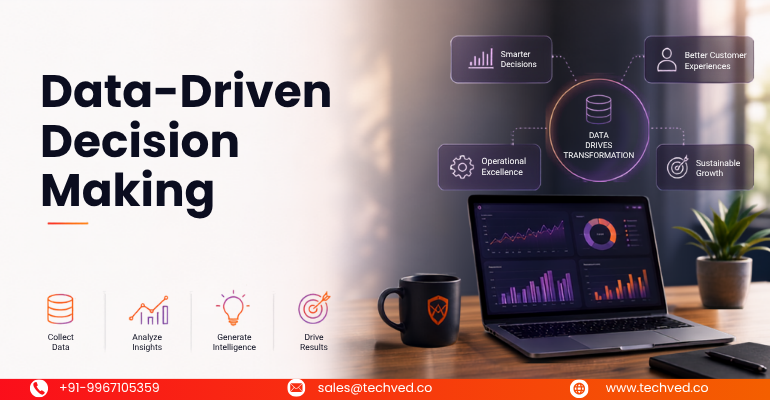
Data-Driven Decision-Making: The Overlooked Foundation of Digital Transformation
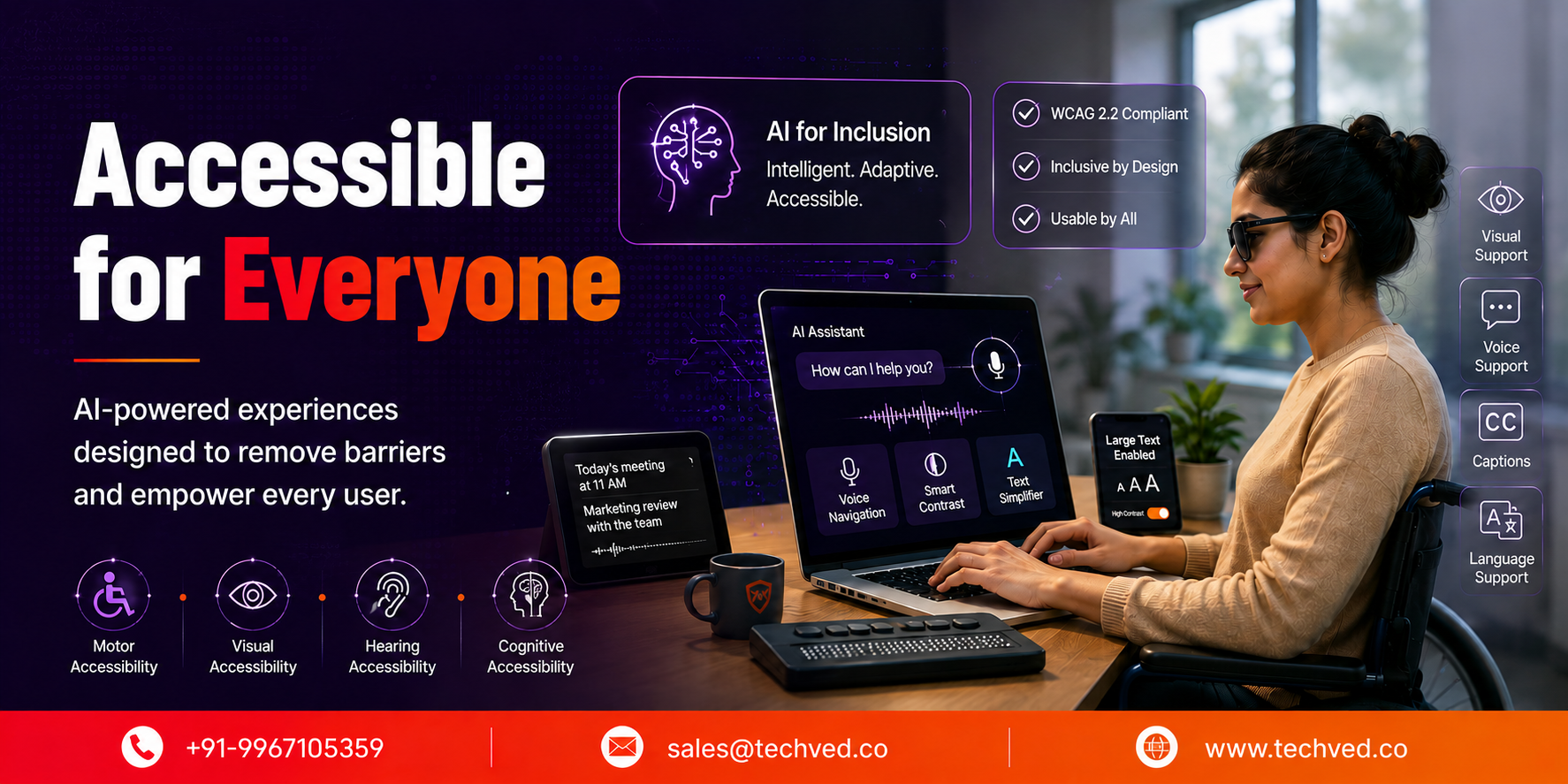
Accessibility in the Age of AI: Designing Inclusive Intelligent Experiences

Inclusive Mobile Design: Building Accessible Apps for Global Users

Anticipatory UX: Designing User Experiences That Predict Intent

Safe Innovation: Implementing AI Chatbots with Strict Data Privacy Guardrails

DPDP 2025 Readiness: Building Credible Platforms for a Data-First World

The Trust Economy: Viewing Cybersecurity as a Growth Strategy
Written By
Jay Anthony
Marketing Head
He led efforts to develop a fully integrated marketing communications plan and growing team. He is responsible for successful corporate re-brand and update of all branded assets.

Stay up-to-date with
all new market trends and
happenings
 #DataDrivenDecisionMaking #DigitalTransformation #EnterpriseAnalytics #BusinessIntelligence #TECHVED #TECHVEDConsulting
Data-Driven Decision-Making: The Overlooked Foundation of Digital Transformation
#Accessibility #DigitalAccessibility #InclusiveDesign #CustomerExperience #DigitalTransformation #EnterpriseAI #TECHVED #TECHVEDConsulting #ExperienceEngineering
Accessibility in the Age of AI: Designing Inclusive Intelligent Experiences
#InclusiveMobileDesign #MobileAccessibility #DigitalAccessibility
Inclusive Mobile Design: Building Accessible Apps for Global Users
From Ideation To Digital Transformation
We take care of all your needs


