

- Home
- Services
- Automated Translation
- TECHVED AI
- Case studies
- CLIENTS
- More

Let's get started
We believe in advancing your business growth with innovative ideations and strategies
Get In Touch


 Back
BackWhat Mobile App Modernization Means for Legacy Brands
#MobileAppModernization #LegacyBrands

Jay Anthony
20 March 2026 | 8 min read
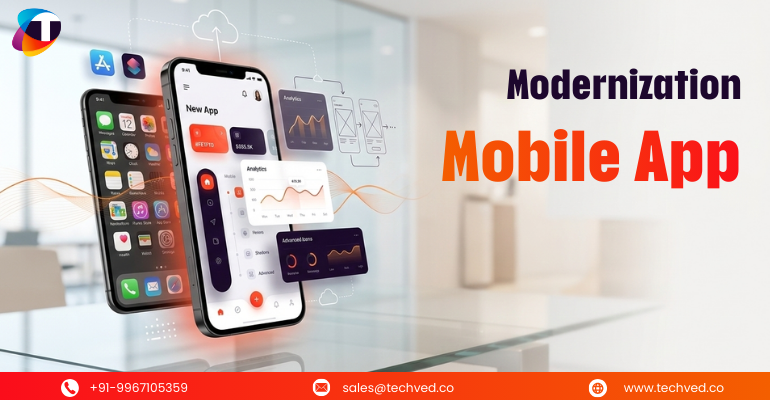
You hear about a bank well established since many years and their loyal patrons talking about it. With the intention of exploring their services you check out their app. The design seems outdated and the interface feels as if still living in past generation.
The app still works. But ‘working’ isn’t enough anymore.
This is the crossroads facing every established brand. Decades of trust built through physical presence and personal service now risk evaporation because of digital friction. Mobile App modernization is not about chasing trends. It is about survival.
Legacy brands possess assets new brands cannot buy: reputation, relationships and deep institutional knowledge. But these advantages erode when mobile application services fail to meet contemporary expectations. Modernization bridges this gap.
The Modernization Imperative
For legacy organizations, Mobile App transformation presents unique challenges. Decades of technical debt accumulate in backend systems. Compliance requirements multiply across jurisdictions. Customer bases span generations with divergent digital comfort levels. Outdated mobile solutions and technology frustrate users and limit growth.
A modern mobile app does more than look pretty. It delivers speed, security and seamless experiences. It adapts to user behavior. It integrates with emerging technologies. This is the foundation of effective mobile solutions services.
The gap between legacy apps and user expectations widens daily. Customers expect instant load times, biometric authentication and personalized content. If your mobile application services do not deliver these, customers notice. And they leave.
What Mobile App Modernization Actually Means
Modernization is not a complete rebuild from scratch. It is a strategic evolution of your existing digital assets. A professional mobile app design company approaches this through multiple lenses:
- User experience overhaul based on current mobile application trends
- Technical architecture updates for better performance and security
- Feature enhancement adding capabilities like biometrics and personalization
- Platform expansion from native to cross-platform where it makes sense
- Integration improvements connecting your app with modern backend systems
- Accessibility compliance ensuring your app serves all users equally
This comprehensive approach requires experienced mobile app development company partners like TECHVED, who understand both legacy constraints and modern possibilities.
The Strategic Benefits for Legacy Brands
Modernization delivers measurable business outcomes beyond improved user satisfaction. A well-executed mobile app implementation plan can reduce maintenance costs significantly, increase user engagement and drive higher conversion rates.
For legacy brands, modernization also signals relevance. It tells customers, "We are evolving with you." It attracts younger demographics while retaining loyal users. A modern mobile app becomes a competitive differentiator instead of just a functional necessity.
Key Trends Shaping Modernization in 2026
Understanding current mobile application trends helps prioritize modernization efforts:
- AI-powered personalization that adapts content and features to individual users
- Biometric security replacing passwords for faster safer access
- Superapps integrating multiple services within a single mobile app
- AR experiences bringing products to life through mobile AR development
- Voice interfaces enabling hands-free interaction
- Offline-first architecture ensuring functionality without constant connectivity
These trends must be applied thoughtfully to your modernization roadmap. Not every trend fits every brand. Strategic selection matters.
Industry-Specific Considerations
Financial services demand compliant mobile-first strategy that satisfies regulators while delighting users. Healthcare requires inter-operability with existing systems and strict privacy controls. Retail needs seamless integration between digital and physical channels
Mobile apps for game tech demonstrate how even entertainment properties with heritage audiences modernize successfully. They preserve core mechanics that fans love while adding social features, cloud saves and cross-platform play that new generations expect.
The Role of Usability and Testing
Modernization without proper validation is guesswork. Mobile usability testing ensures your updated app actually works for real users. It reveals friction points you cannot see internally and validates design decisions before full deployment.
A compliant mobile-first strategy also requires continuous testing. User expectations evolve. New devices emerge. Operating systems update. Regular mobile usability testing keeps your app performing at its best after adapting to these.
The Execution Challenge
Mobile App modernization fails when treated as an IT project rather than business transformation. Success requires executive sponsorship, cross-functional alignment and customer-centered metrics.
Selecting the right mobile app development company matters enormously. Partners must understand legacy constraints, respect regulatory complexity and demonstrate patience with organizational change management.
TECHVED brings decades of transformation experience to mobile application services for established brands. We know that modernization is not about starting fresh. It is about building bridges between heritage and possibility.
FAQs
What is mobile app modernization? Mobile app modernization is the process of updating existing applications with new features, improved user experiences, modern architectures and enhanced security to meet current user expectations and market standards.
Why should legacy brands modernize their mobile apps? Legacy brands must modernize to retain customers, stay competitive and signal relevance. Outdated mobile solutions and technology frustrate users and limit business growth opportunities.
How long does mobile app modernization take? Timelines vary based on app complexity and modernization scope. A strategic mobile app implementation plan typically spans three to nine months for comprehensive updates.
What are the key trends in mobile app modernization? Key mobile application trends include AI personalization, biometric security, superapp capabilities, mobile AR development and offline-first architecture.
How do I choose a mobile app modernization partner? Look for a partner with experience in both legacy systems and modern mobile development services. They should offer mobile usability testing and a clear mobile app implementation plan aligned with your business goals.
Most Popular
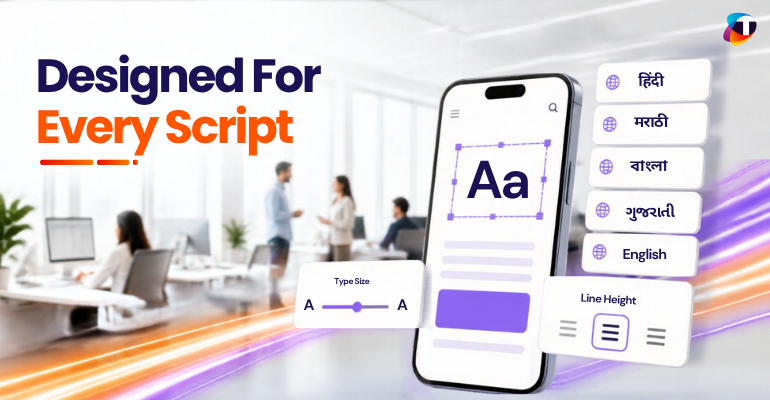
Multilingual UX for Indic Scripts: Where Regional Language Products Quietly Break
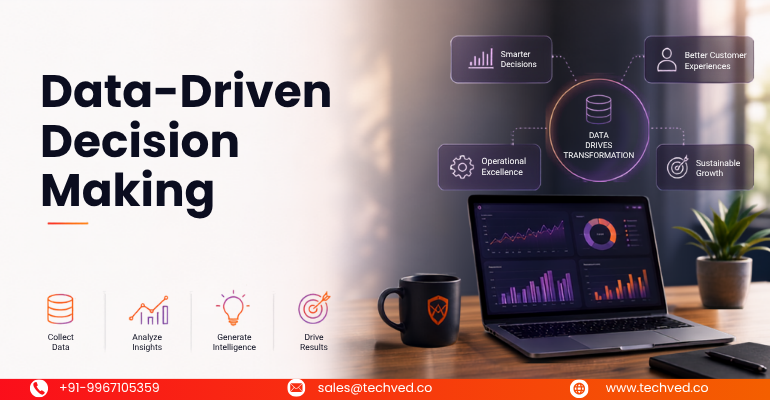
Data-Driven Decision-Making: The Overlooked Foundation of Digital Transformation
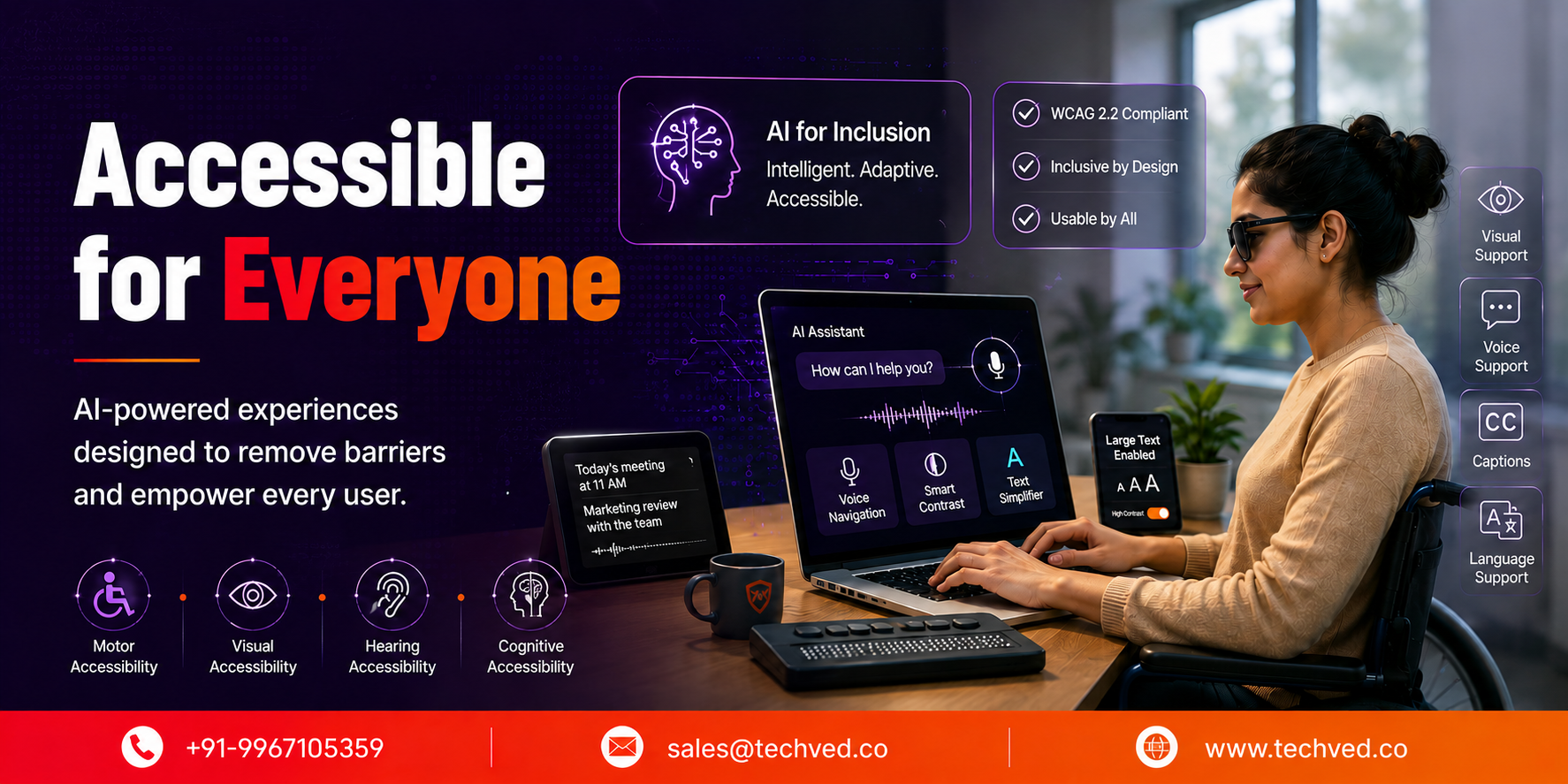
Accessibility in the Age of AI: Designing Inclusive Intelligent Experiences
Inclusive Mobile Design: Building Accessible Apps for Global Users

Anticipatory UX: Designing User Experiences That Predict Intent
Safe Innovation: Implementing AI Chatbots with Strict Data Privacy Guardrails

DPDP 2025 Readiness: Building Credible Platforms for a Data-First World
Written By
Jay Anthony
Marketing Head
He led efforts to develop a fully integrated marketing communications plan and growing team. He is responsible for successful corporate re-brand and update of all branded assets.

Stay up-to-date with
all new market trends and
happenings
 #MultilingualUX #IndicScripts #RegionalLanguage #DesignSystems #DigitalAccessibility #TECHVED #TECHVEDConsulting
Multilingual UX for Indic Scripts: Where Regional Language Products Quietly Break
#DataDrivenDecisionMaking #DigitalTransformation #EnterpriseAnalytics #BusinessIntelligence #TECHVED #TECHVEDConsulting
Data-Driven Decision-Making: The Overlooked Foundation of Digital Transformation
#Accessibility #DigitalAccessibility #InclusiveDesign #CustomerExperience #DigitalTransformation #EnterpriseAI #TECHVED #TECHVEDConsulting #ExperienceEngineering
Accessibility in the Age of AI: Designing Inclusive Intelligent Experiences
From Ideation To Digital Transformation
We take care of all your needs


