

- Home
- Services
- AI Translation
- TECHVED AI
- Case studies
- CLIENTS
- More

Let's get started
We believe in advancing your business growth with innovative ideations and strategies
Get In Touch


 Back
BackHow Predictive AI is Shaping Martech Strategies
#PredictiveAI #MarTech

Jay Anthony
17 October 2025 | 8 min read
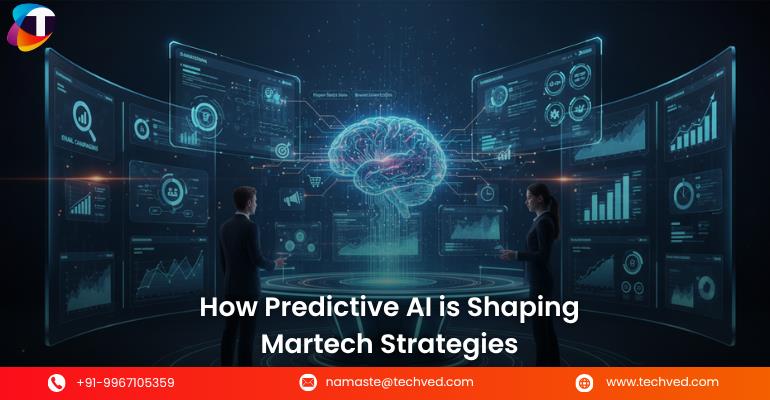
In the fast-paced world of digital marketing, staying ahead of the competition requires more than just creative campaigns and engaging content. It demands a strategic approach powered by data-driven insights andcutting-edgetechnology.
According to a recent Salesforce report, 84% of marketing leaders say AI is critical to their overall marketing strategy, with predictive AI playing a key role inoptimizingcampaigns and customer engagement.Enter Predictive AI—a transformative force reshaping how businesses approach marketing strategies.
Understanding Predictive AI in Martech
Predictive AI refers to the use of advanced algorithms and machine learning models to analyze historical data and forecast future outcomes. In the context ofmarketing technology(martech), this meansleveragingAI toanticipatecustomer behavior,optimizecampaigns, and enhance decision-making processes.
As businesses increasingly rely on data to drive their marketing efforts, integrating predictive AI intomartech solutionshas become imperative. According to a report byXenoss,nearly 90%of marketers nowutilizeAI to automate workflows, analyze large-scale data, and personalize customer journeys
The Role of Predictive AI in Martech Strategies
Enhanced Customer Segmentation
Traditional customer segmentation often relies on broad demographics, leading to generalized marketing efforts. Predictive AI, however, delves deeper by analyzing behavioral patterns, purchase history, and engagement metrics. This enables businesses to create more precise customer segments, allowing for hyper-targeted campaigns that resonate with specific audience groups.
Personalized Content Delivery
In the realm ofmarketing technology, personalization is key.Predictive AI empowers marketers to deliver tailored content to users based on their preferences and behaviors. By analyzing past interactions, AI can suggest products, services, or content that align with individual interests, thereby enhancing user experience and increasing conversion rates.
Optimized Campaign Performance
Predictive analytics tools can forecast the potential success of marketing campaigns by analyzing historical data and current trends. This foresight allows marketers toallocateresources more effectively, adjust strategies in real-time, and maximize return on investment (ROI). As highlighted by Martech Outlook, AI reshapesmartechand digital marketing with hyper-targeting, personalization, and content creation, enhancing engagement and conversion rates
Improved Lead Scoring and Nurturing
For B2B tech companies, lead generation and nurturing are critical components of the sales funnel. Predictive AI enhances lead scoring models by analyzing engagement levels, interaction history, and demographic information. This leads to moreaccurateidentification of high-quality leads, enabling sales teams to focus their efforts on prospects with the highest likelihood of conversion.
Efficient Resource Allocation
With the vast array of marketing channels available,determiningwhere toallocateresources can be challenging. Predictive AI assists in this decision-making process by analyzing past campaign performances across various platforms. Byidentifyingwhich channels yield the best results, businesses canallocatebudgets more effectively, ensuringoptimalresourceutilization.
The Integration of Predictive AI inMartech Solutions
Leadingmarketing technologycompanies are increasingly integrating predictive AI into their offerings. This integration enhances the capabilities ofmartechsolutions, providing businesses with advanced tools to drive their marketing strategies.
For instance, platforms like Salesforce and HubSpot have incorporated AI-driven features such as predictive lead scoring, personalized content recommendations, and automated customer journey mapping. These features empower marketers to make data-informed decisions, streamline workflows, and deliver personalized experiences at scale.
Furthermore,MarTech Consulting firmsare playing a pivotal role in helping businesses adopt and implement predictive AI technologies. By providingexpertisein AI integration and strategy development, these firms enable organizations to harness the full potential of AI in their marketing efforts.
Challenges and Considerations
While the benefits of predictive AI inmartechareevident, businesses must also be mindful of certain challenges:
Data Quality and Privacy
The effectiveness of predictive AI models hinges on the quality of data. Ensuringaccurate, clean, and up-to-date data is essential. Additionally, businesses must adhere to data privacy regulations tomaintaincustomer trust.
Integration Complexity
Incorporating AI into existingmartechstacks can be complex. It requires seamless integration with other tools and platforms to ensure smooth operations.
Skill Requirements
Implementing and managing AI-driven strategiesnecessitatespecialized skills. Organizations may need to invest in training or hire experts proficient in AI and data analytics.
Despite these challenges, the advantages of integrating predictive AI intomartech strategiesfar outweigh the obstacles. By addressing these considerations, businesses can unlock the full potential of AI in their marketing endeavors.
The Future of Predictive AI in Martech
As AI technology continues to evolve, its applications inmartechare expected to expand further. Emerging trends include:
Conversational AI: Chatbots and virtual assistants powered by AI are becoming more sophisticated, offering real-time customer support and personalized recommendations.
Voice Search Optimization: With the rise of voice-activated devices,optimizingcontent for voice search is becoming increasingly important. AI can analyze voice search patterns to inform content strategies.
AI-Driven Creative Development: AI tools are being developed toassistin content creation, from generating copy to designing visuals, streamlining the creative process.
For B2B tech marketing, staying abreast of these developments is crucial. By embracing AI-driven innovations, businesses canmaintaina competitive edge and continue to deliver exceptional value to their customers.
Conclusion
Predictive AI is no longer a futuristic concept but a present-day reality shapingmartechstrategies. ByleveragingAI-driven insights, businesses can enhance customer engagement,optimizecampaigns, and make data-informed decisions that drive growth. As the digital landscape continues to evolve, integrating predictive AI intomarketing technology solutionswill be pivotal for organizations aiming to stay ahead of the curve.
ForB2B tech companies, collaborating with adigital transformation and tech innovation leader likeTECHVEDcan bea game-changerinleveragingpredictive AI to reshape Martech strategies.
With deepexpertisein AI-driven marketing and technology consulting, TECHVED helps businesses unlock data intelligence,optimizecustomer engagement, and build agile, future-ready marketing ecosystems. Embracing predictive AI with the right partnerisn’tjust about adoptinginnovation—it’sabout future-proofing marketing strategies in an increasingly data-driven world.
FAQs
1. What is predictive AI, and how does it impact martech services?
Predictive AI leverages advanced algorithms to forecast customer behavior and trends. In the context ofmartechservicesandmarketing technology solutions, it enables B2B tech companies to deliver personalized campaigns,optimizemarketing strategies, and enhance overall digital engagement.
2. How do marketing technology companies use predictive AI to improve B2B tech marketing?
Marketing technologycompanies integrate predictive AI intomartechsolutionsto segment audiences, scoreleads, anddeliver tailored content. This approach allows B2B tech marketing teams to boost conversion rates, drive high-tech marketing initiatives, and improve ROI.
3. What benefits do martech solutions and services with predictive AI offer?
Martech solutions and servicespowered by predictive AI provide hyper-targeted customer segmentation, personalized content delivery, campaign optimization, and efficient resource allocation. For B2B tech companies, this translates into smarter marketing and technology strategies that accelerate growth.
4. What challenges should B2B tech companies consider when adopting predictive AI in marketing technology?
Challenges includemaintaininghigh-quality data, integrating predictive AI with existingmartechplatforms, and buildingexpertisein marketing and technology consulting. Working with
Most Popular
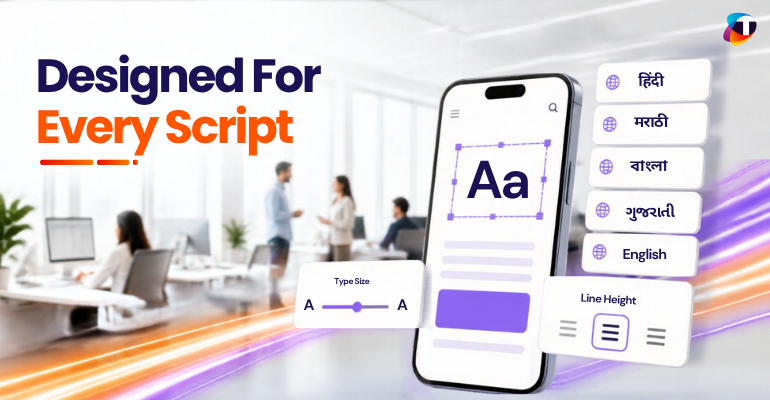
Multilingual UX for Indic Scripts: Where Regional Language Products Quietly Break
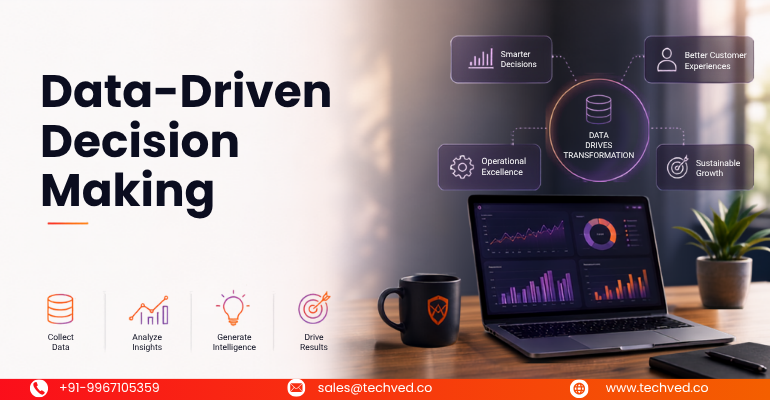
Data-Driven Decision-Making: The Overlooked Foundation of Digital Transformation
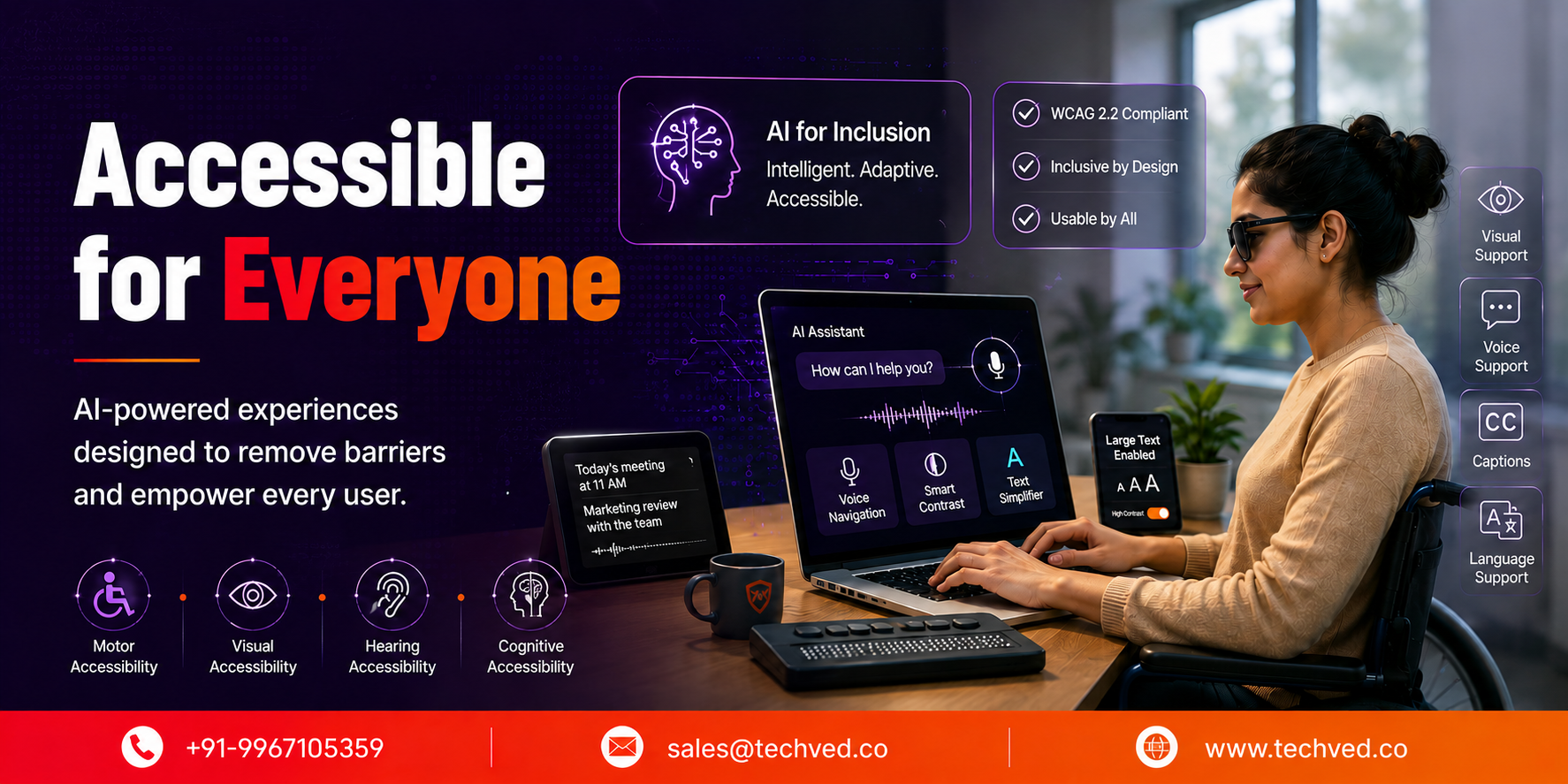
Accessibility in the Age of AI: Designing Inclusive Intelligent Experiences

Inclusive Mobile Design: Building Accessible Apps for Global Users
Anticipatory UX: Designing User Experiences That Predict Intent

Safe Innovation: Implementing AI Chatbots with Strict Data Privacy Guardrails

DPDP 2025 Readiness: Building Credible Platforms for a Data-First World
Written By
Jay Anthony
Marketing Head
He led efforts to develop a fully integrated marketing communications plan and growing team. He is responsible for successful corporate re-brand and update of all branded assets.

Stay up-to-date with
all new market trends and
happenings
 #MultilingualUX #IndicScripts #RegionalLanguage #DesignSystems #DigitalAccessibility #TECHVED #TECHVEDConsulting
Multilingual UX for Indic Scripts: Where Regional Language Products Quietly Break
#DataDrivenDecisionMaking #DigitalTransformation #EnterpriseAnalytics #BusinessIntelligence #TECHVED #TECHVEDConsulting
Data-Driven Decision-Making: The Overlooked Foundation of Digital Transformation
#Accessibility #DigitalAccessibility #InclusiveDesign #CustomerExperience #DigitalTransformation #EnterpriseAI #TECHVED #TECHVEDConsulting #ExperienceEngineering
Accessibility in the Age of AI: Designing Inclusive Intelligent Experiences
From Ideation To Digital Transformation
We take care of all your needs


