

- Home
- Services
- Automated Translation
- TECHVED AI
- Case studies
- CLIENTS
- More

Let's get started
We believe in advancing your business growth with innovative ideations and strategies
Get In Touch


 Back
BackTransforming Healthcare: The Revolution of Data Analytics and AI
DataAnalyticsAndAI #Healthcare

Jay Anthony
7 January 2025 | 8 min read
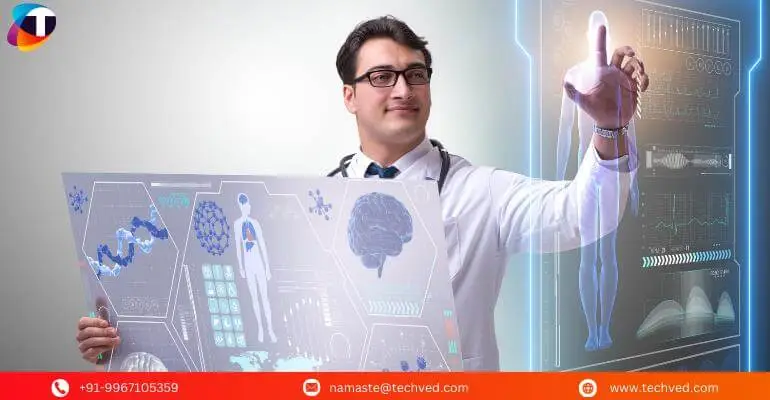
The Healthcare industry was always data-heavy. Given the pace of technology advancement, it is now at its unprecedented time of transformation that comes with data analytics and AI. These technologies are not only elevating the practice but are also revolutionizing the healthcare industry. With data analytics in combination with AI, businesses in all areas of the healthcare ecosystem now are willing to embrace the power of innovation for innovation in every step of diagnostics to efficiencies in operations.
The Digital Combo: AI with Data Analytics in Healthcare Industry
The new-age healthcare ecosystems produce tremendous volumes of data through patient records, medical imaging, wearable devices, and much more. However, extracting actionable insight from all this data remains quite a problem. That is where the role of AI in data analytics comes in because it multiplies the force for filling a gap between raw data and informed decision-making. For example, Tempus uses data and AI to advance precision medicine in oncology by integrating clinical, genomic, and imaging data from over 40,000 cancer patients. Their AI models interpret this data, finding genetic mutations and treatment outcomes, allowing oncologists to tailor treatments to individual genetic profiles. Tempus combines next-generation sequencing with AI to accelerate decision-making, enhance the accuracy of diagnosis, and accelerate the development of targeted therapies in cancer care and personalized medicine.
Unlocking the Potential of Benefits: How AI and Data Analytics Are Changing Health Care
The possibilities associated with data analytics and AI for health care are multileveled and very vast-from developing new drugs faster to enhanced care of patients. These technologies are creating their ripples in many critical areas mentioned below. Real-Time Drug Development Data Insights: AI and ML systems assess large amounts of real-world data in near real-time. This fast understanding and learning inform pharmaceutical companies as well as researchers, thereby promoting much faster drug development cycles since quicker hypothesis testing, measurement of drug efficacy, and more personalized responses from patients by potential identification of sub-groups become viable. For example, AI can identify safety signals or adverse events in near real-time, allowing for quicker decision-making in clinical development. Evidence-based and individualized patient care: AI-powered tools can assist healthcare providers in making more informed clinical decisions by offering personalized treatment recommendations based on an individual’s medical history, genomic data, and other clinical variables. Point-of-care tools that use AI to identify patients who may need additional support services, such as at-home care, can significantly improve care efficiency and patient outcomes. Automated and Effective Curation of Data: The reduction in the burden of extracting data from EHRs and other unstructured records through AI and ML, means data curation is significantly improved in terms of efficiency, which makes it possible to do comprehensive analyses. It accelerates drug development while it scales and improves the quality of the insights coming out of the clinical data. International Harmonization of Patient Data in Comparative Effectiveness Research: Global Integration of Patient Data for Comparative Effectiveness Research Combination of patient-level data across countries is central to comparative effectiveness research. Harmonization of data across different healthcare systems will help in the understanding of treatment patterns and outcomes of patients around the globe. This helps identify the best practices in care, informs regulatory decisions, and supports market access for new therapies.
Summary
In summary, the use of data for decision-making, individualised care, and operational efficiency is how artificial intelligence (AI) and data analytics are revolutionising the healthcare industry. These technologies are fostering innovation at every stage of the healthcare ecosystem, from speeding up drug discovery to enhancing patient satisfaction through real-time analytics and treatment personalisation.
FAQs
Can AI be used in mental health care?
This could be done using speech patterns, text inputs, or behavioral data, where AI would analyze all of it to determine whether there are signs of depression or anxiety. Chatbots and virtual assistants can also give the initial counseling and support because AI will provide them with all the necessary resources outside the traditional therapy setup.
How does AI impact medical training and education?
This helps in medical education whereby patients can be simulated such that students practice on patient diagnosis and treatment planning with reduced risks. Virtual reality tools using AI will be offering immediate feedback for professional practice enhancement by medical professionals.
What are the ethical issues on artificial intelligence in healthcare?
Ethical concerns include, but are not limited to, data privacy, transparency over AI decision-making, and the possibility of bias that might exist in AI algorithms. Ensuring that AI is ethical, transparent, and equitable is critical to developing public trust and ensuring benefits to all patients.
How does AI help with managing hospital resources?
AI can even predict patient volumes and thus optimize the allotment of hospital resources-people, beds, equipment, etc. Using its historical data, AI is able to forecast peak times and ensure that all hospital resources are available at exactly the right time to create better care for patients, and operational efficiency.
Most Popular
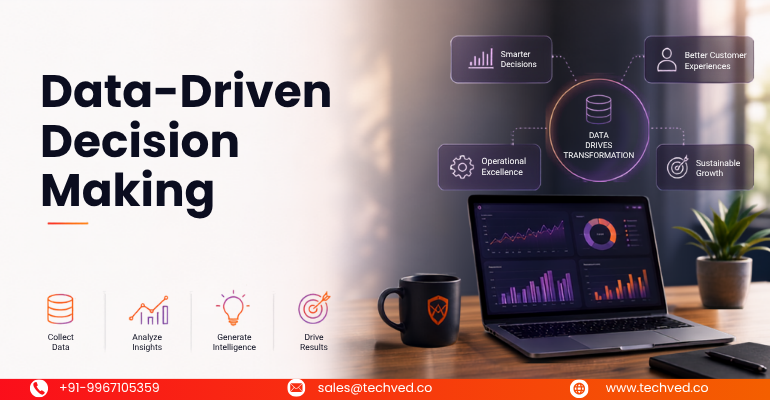
Data-Driven Decision-Making: The Overlooked Foundation of Digital Transformation
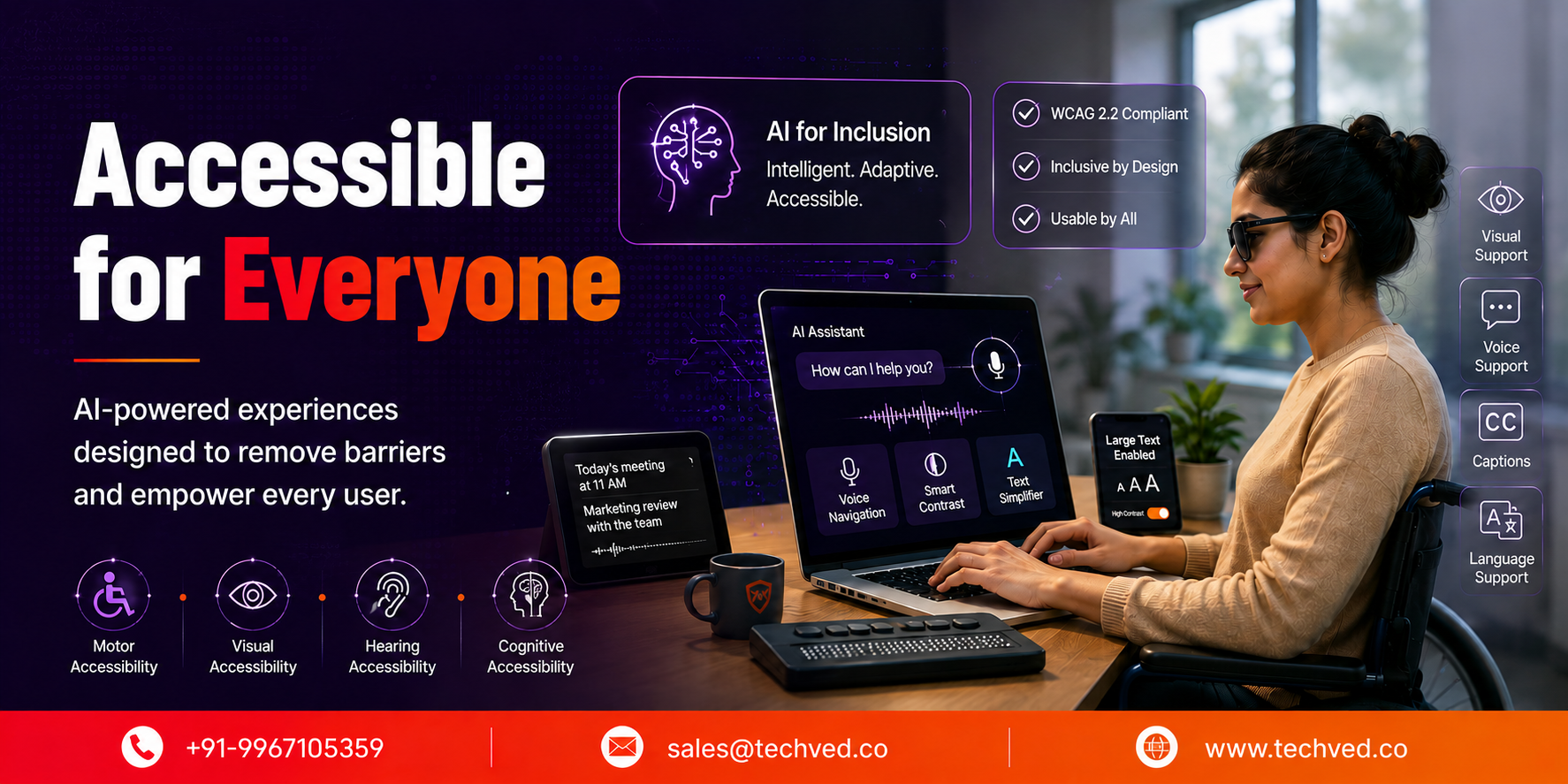
Accessibility in the Age of AI: Designing Inclusive Intelligent Experiences
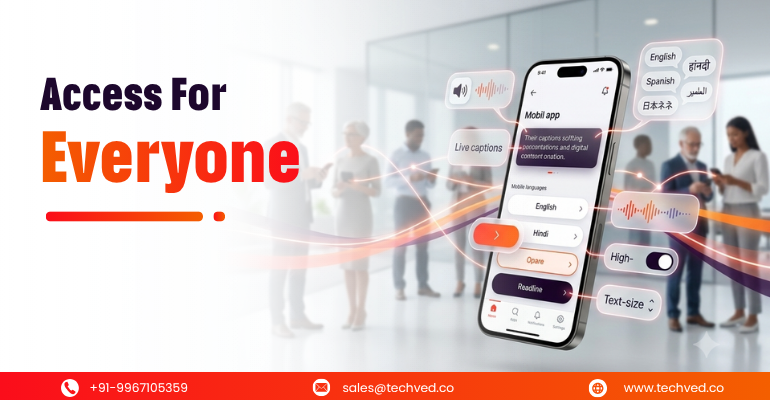
Inclusive Mobile Design: Building Accessible Apps for Global Users
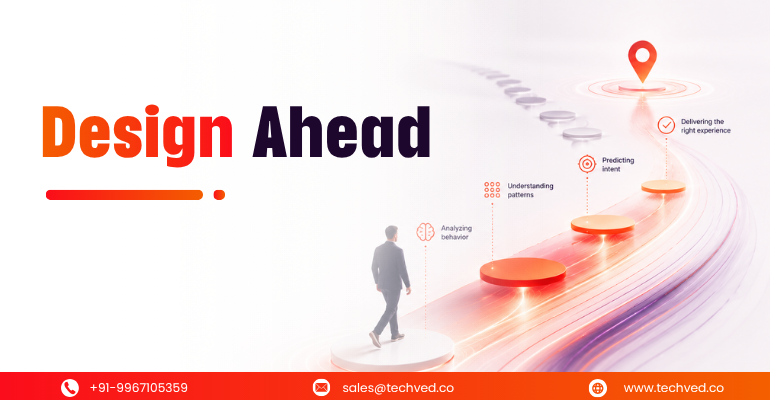
Anticipatory UX: Designing User Experiences That Predict Intent

Safe Innovation: Implementing AI Chatbots with Strict Data Privacy Guardrails

DPDP 2025 Readiness: Building Credible Platforms for a Data-First World

The Trust Economy: Viewing Cybersecurity as a Growth Strategy
Written By
Jay Anthony
Marketing Head
He led efforts to develop a fully integrated marketing communications plan and growing team. He is responsible for successful corporate re-brand and update of all branded assets.

Stay up-to-date with
all new market trends and
happenings
 #DataDrivenDecisionMaking #DigitalTransformation #EnterpriseAnalytics #BusinessIntelligence #TECHVED #TECHVEDConsulting
Data-Driven Decision-Making: The Overlooked Foundation of Digital Transformation
#Accessibility #DigitalAccessibility #InclusiveDesign #CustomerExperience #DigitalTransformation #EnterpriseAI #TECHVED #TECHVEDConsulting #ExperienceEngineering
Accessibility in the Age of AI: Designing Inclusive Intelligent Experiences
#InclusiveMobileDesign #MobileAccessibility #DigitalAccessibility
Inclusive Mobile Design: Building Accessible Apps for Global Users
From Ideation To Digital Transformation
We take care of all your needs


