

- Home
- Services
- Automated Translation
- TECHVED AI
- Case studies
- CLIENTS
- More

Let's get started
We believe in advancing your business growth with innovative ideations and strategies
Get In Touch


 Back
BackMaximizing ROI With Strategic User Journey Mapping
#UserJourney #UserResearch #UsabilityTesting

Jay Anthony
16 November 2023 | 8 min read
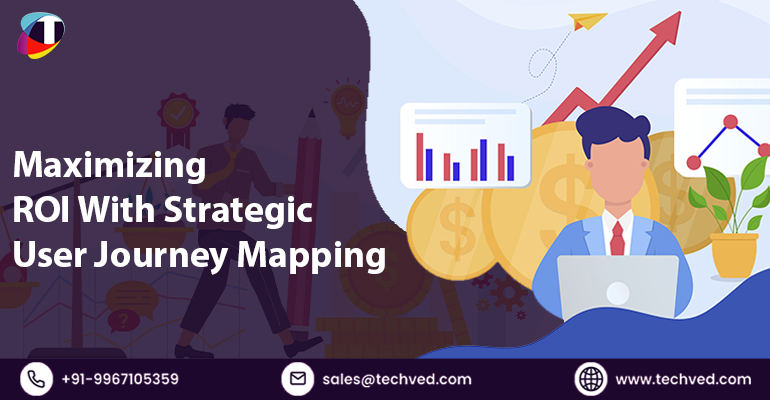
Maximizing ROI With Strategic User Journey Mapping
Understanding your customers and their experiences is crucial for business success. User journey mapping, also known as customer journey mapping, has emerged as a powerful tool to gain insights into the customer's perspective. By visualizing the customer's interactions with your product or service, user journey mapping provides valuable insights that can guide businesses to deliver exceptional user experiences. In this blog, we will explore the concept of user journey mapping, its benefits, the process of creating a user journey map, best practices, and tools for effective implementation.
What is User Journey Mapping?
User journey mapping is a strategic technique that helps businesses understand and visualize the end-to-end experience of their customers. It involves creating a visual representation of the customer's interactions, emotions, and touchpoints across various channels. By mapping out the user's journey, businesses can identify pain points, opportunities for improvement, and better align their products or services with the needs and expectations of their target audience.
Understanding the Customer's Perspective
To create an effective user journey map, it is essential to step into the shoes of the customer and understand their perspective. This requires deep empathy and a focus on their needs, motivations, and goals throughout their interaction with your brand. By gaining insights into consumers' behavior and preferences, businesses can identify key moments of truth, potential frustrations, and areas where they can provide value and exceed expectations.
Benefits of User Journey Mapping
User journey mapping offers several benefits to businesses seeking to enhance their user experience and drive customer satisfaction. Firstly, it provides a holistic view of the customer's experience, enabling businesses to identify pain points, gaps, and opportunities for improvement. It also helps in aligning various departments within an organization towards a common goal of delivering exceptional user experiences. Furthermore, user journey mapping facilitates data-driven decision-making, as it provides actionable insights based on real user interactions and feedback.
The Process of Creating a User Journey Map
Creating a user journey map involves several steps, starting with user research methods such as surveys, interviews, and usability testing to gather data about user behavior and preferences. This data is then analyzed and organized into key touchpoints, emotions, and interactions. The journey map is created by visualizing this information in a chronological flow, showcasing the user's path from initial awareness to post-purchase stages. Iterative refinement and validation with real users are crucial to ensure the accuracy and effectiveness of the journey map.
Best Practices for Effective User Journey Mapping
To maximize the impact of user journey mapping, it is important to follow some best practices. These include involving cross-functional teams in the process to gain diverse perspectives, focusing on key user personas or segments, using visual storytelling techniques to enhance understanding, and validating the journey map through user feedback and testing. Regular updates and iterations are necessary to keep the journey map relevant and aligned with evolving user needs.
Implementing Insights from User Journey Mapping
Creating a user journey map is only the first step; the real value lies in implementing the insights gained from it. Businesses can use the journey map to identify areas for improvement, develop targeted strategies to address pain points, optimize touchpoints and interactions, and enhance the overall user experience. By aligning their products, services, and processes with the customer's journey, businesses can drive customer loyalty, increase engagement, and ultimately achieve business growth.
Tools and Technologies for User Journey Mapping
Several tools and technologies are available to assist in the process of user journey mapping. These range from simple visualization tools like whiteboards and sticky notes to more sophisticated digital platforms and software. Some popular tools include Miro, Lucidchart, UXPressia, and Smaply. The choice of tool depends on the specific needs and preferences of the business, as well as the scale and complexity of the project.
Conclusion
In conclusion, user journey mapping is a transformative tool that empowers businesses to unlock the full potential of their user experiences. By leveraging the power of user journey mapping, companies like TECHVED have revolutionized the way brands understand and engage with their customers.
At TECHVED, we understand that implementing insights from user journey mapping is the key to success. Our team of experienced UX researchers and designers collaborates with businesses to translate the findings from the user journey maps into actionable strategies and tangible improvements. By optimizing interactions, streamlining processes, and enhancing the overall user experience, our clients have achieved remarkable customer satisfaction, increased engagement, and sustainable business growth.
Join the ranks of successful businesses that have harnessed the potential of user journey mapping to drive customer loyalty, elevate their brand, and stay ahead of the competition. Contact TECHVED today and let us guide you on your journey towards delivering exceptional user experiences.
FAQs
What is user journey mapping?
User journey mapping is a strategic technique used to visualize and understand the end-to-end experience of customers when interacting with a product, service, or brand. It involves mapping out their interactions, emotions, and touchpoints to gain insights into their behaviors, needs, and pain points.
Why is user journey mapping important?
User journey mapping is important because it helps businesses gain a deep understanding of their customers' experiences. It enables companies to identify pain points, optimize touchpoints, and align their strategies and offerings with customer expectations. By enhancing the user experience, businesses can drive customer satisfaction, loyalty, and business growth.
How do you create a user journey map?
Creating a user journey map involves several steps. It starts with user research methods like surveys, interviews, and usability testing to gather data on user behavior and preferences. This data is then analyzed and organized into key touchpoints, emotions, and interactions. The journey map is created by visually representing this information in a chronological flow, showcasing the user's path from initial awareness to post-purchase stages.
What are the benefits of user journey mapping?
User journey mapping offers numerous benefits to businesses. It provides a holistic view of the customer experience, helps identify pain points and opportunities for improvement, and facilitates data-driven decision-making. It also fosters collaboration among different teams within an organization and ensures a customer-centric approach to product development and service delivery.
What are some best practices for effective user journey mapping?
To ensure effective user journey mapping, it is important to involve cross-functional teams, focus on key user personas, use visual storytelling techniques, and validate the journey map through user feedback and testing. Regular updates and iterations are also crucial to keep the journey map aligned with evolving user needs.
Most Popular
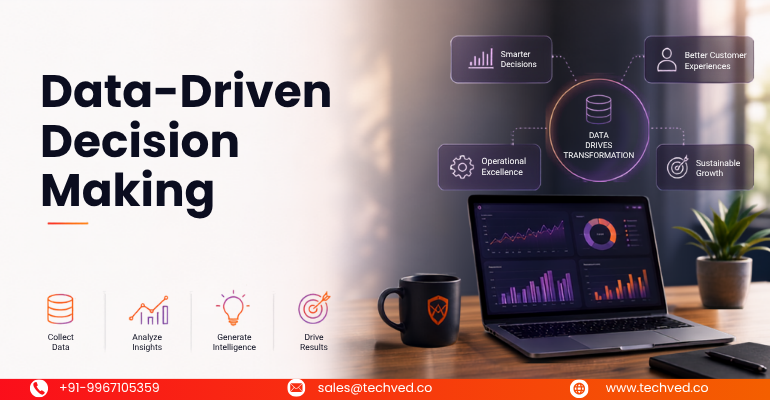
Data-Driven Decision-Making: The Overlooked Foundation of Digital Transformation
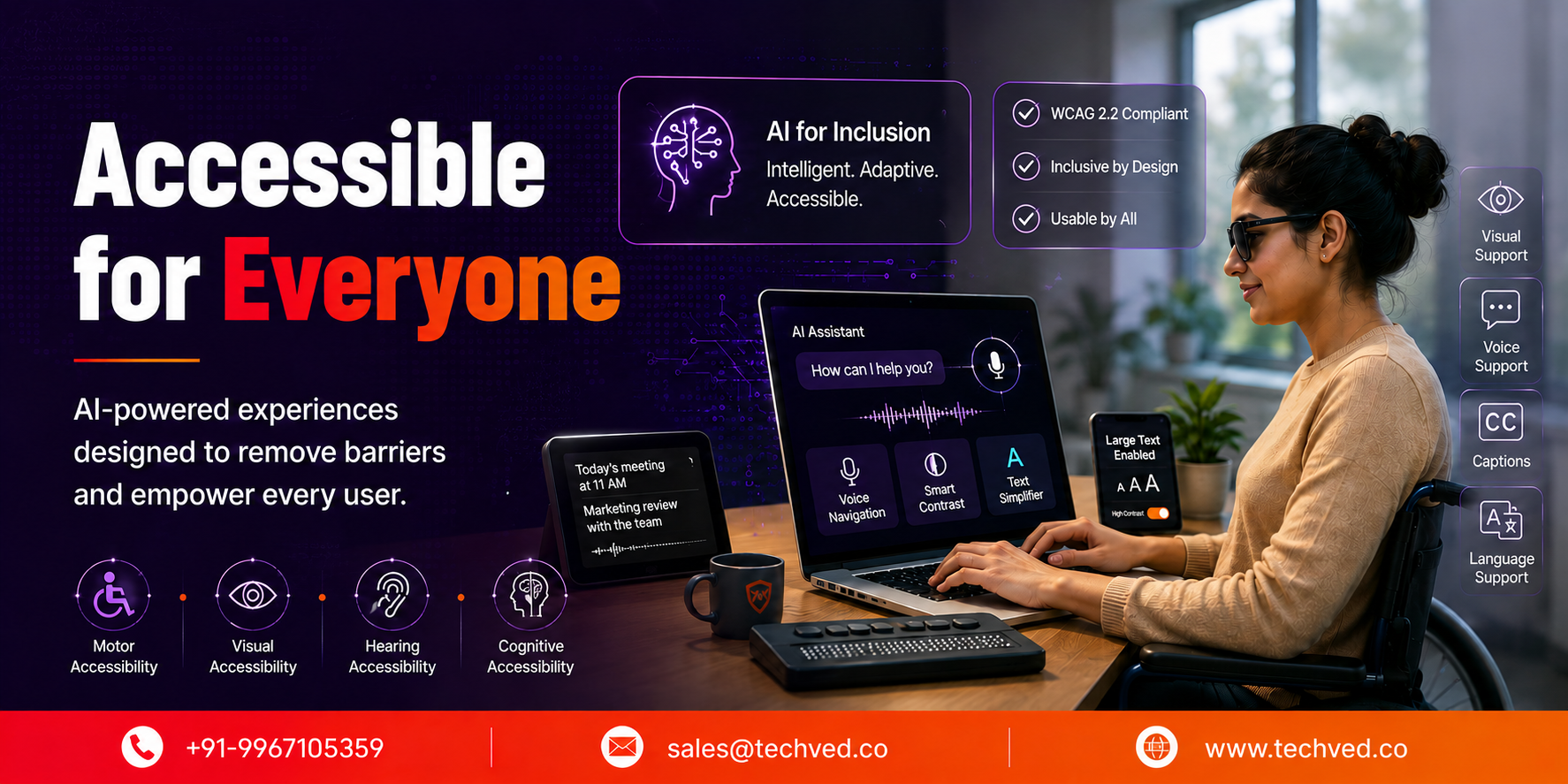
Accessibility in the Age of AI: Designing Inclusive Intelligent Experiences

Inclusive Mobile Design: Building Accessible Apps for Global Users

Anticipatory UX: Designing User Experiences That Predict Intent

Safe Innovation: Implementing AI Chatbots with Strict Data Privacy Guardrails

DPDP 2025 Readiness: Building Credible Platforms for a Data-First World

The Trust Economy: Viewing Cybersecurity as a Growth Strategy
Written By
Jay Anthony
Marketing Head
He led efforts to develop a fully integrated marketing communications plan and growing team. He is responsible for successful corporate re-brand and update of all branded assets.

Stay up-to-date with
all new market trends and
happenings
 #DataDrivenDecisionMaking #DigitalTransformation #EnterpriseAnalytics #BusinessIntelligence #TECHVED #TECHVEDConsulting
Data-Driven Decision-Making: The Overlooked Foundation of Digital Transformation
#Accessibility #DigitalAccessibility #InclusiveDesign #CustomerExperience #DigitalTransformation #EnterpriseAI #TECHVED #TECHVEDConsulting #ExperienceEngineering
Accessibility in the Age of AI: Designing Inclusive Intelligent Experiences
#InclusiveMobileDesign #MobileAccessibility #DigitalAccessibility
Inclusive Mobile Design: Building Accessible Apps for Global Users
From Ideation To Digital Transformation
We take care of all your needs


