

- Home
- Services
- Automated Translation
- TECHVED AI
- Case studies
- CLIENTS
- More

Let's get started
We believe in advancing your business growth with innovative ideations and strategies
Get In Touch


 Back
BackHow AI is Helping UX Designers Create Smarter Interfaces
#AIinUXDesign #SmartInterfaces #UXDesign

Jay Anthony
24 October 2025 | 8 min read
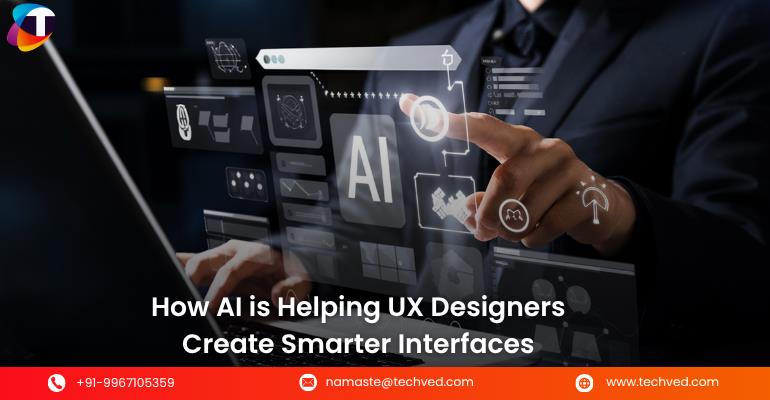
In today’s hyper-digital world, users expect seamless, intuitive, and engaging experiences. Businesses can no longer rely on traditional design methods alonemodern UI/UX design trends are being shaped by the powerful influence of Artificial Intelligence (AI).
In fact, according to Adobe, 62% of companies are already using AI to improve their digital design processes and user experiences. From automating repetitive design tasks to personalizing experiences in real time, AI is empowering designers to create smarter, faster, and more human-centered digital interfaces.
As a leadingUI UX design services company,we’veseen firsthand how AI-driven innovation is revolutionizing the way designers approachUI and UX web design.Let’sexplore how AI is reshaping the design landscape and uncover some UI UX tips and UX design secrets behind these smarter interfaces.
1. The Rise of AI in UI/UX Design
AI has rapidly evolved from being a buzzword toa game-changerin the digital design ecosystem. In web development or UX design, AI algorithms analyze vast amounts of user data—behavior patterns, clicks, session durations, and more—to predict what users want before they even know it.
This predictive capability helps designers move from reactive to proactive design. Instead of relying solely on assumptions or manual research, designers can use AI insights to craft user journeys that feel intuitive and personalized.
Whetherit’sthrough machine learning-driven prototypes or intelligent layout recommendations, AI enhances both the creative and analytical aspects of design, bridging the gap betweenuser interface psychologyand technology.
2. How AI Enhances the Design Process
AIdoesn’treplace designers—it amplifies their creativity and efficiency.Here’showit’schanging the UI UX design services landscape:
a. Automated Design Assistance
AI tools like Adobe Sensei, Figma’s AI features, andUizardautomate routine design tasks—resizing images, generating color palettes, and even creating wireframes from text prompts. This allows designers to focus on strategic, human-centered design decisions instead of manual labor.
b. Predictive Analytics for Smarter Experiences
AI analyzes user data to predict future behaviors. For example, if analytics show users often abandon a checkout page, AI can suggest UX improvements or alternative design flows. This data-driven approach transforms guesswork into measurable action.
c. Enhanced Personalization
One of the biggest benefits of AI inmodern UI/UX design trendsis hyper-personalization. AI algorithms curate content, layouts, and product recommendations tailored to each user. This not only improves engagement but also drives conversions—turning casual visitors into loyal customers.
d. Natural Language Processing (NLP) for Better Interfaces
Voice assistants and chatbots powered by AI have become integral to UI and UX web design . NLP helps create conversational interfaces that feel natural and intuitive, offering users quick access to information and smoother navigation experiences.
3. AI andUser Interface Psychology
At the core of everygreat designliesuser interface psychology—the science of understanding how people perceive and interact with digital elements. AI strengthens this foundation by decoding complex behavioral data.
For example:
Eye-tracking algorithmsidentifywhich areas of a website capture the most attention.
Sentiment analysis gauges user emotions from reviews or interactions.
Behavioral prediction toolsdeterminewhen users are most likely to drop off or engage.
By integrating these insights, designers can align emotional cues, color schemes, and navigation patterns with user expectations—making every interaction purposeful and meaningful.
4. Bridging the Gap: UI and AI Difference
Many people wonder about the UI and AI difference in design. While UI (User Interface) focuses on the visual and interactive aspects of a digital product, AI empowers that interface with intelligence.
Think of it this way—UI defines how something looks and feels, while AI defines how it thinks and reacts. Together, they create adaptive, intuitive designs that learn from user interactions.
For instance, AI can analyze user preferences to automatically switch to dark mode during nighttime or suggest personalized content based on browsing patterns—making the website UX/UI experience smarter and more context-aware.
5. Smarter Prototyping and Usability Testing
Traditional prototyping and user testing can be time-consuming. AI accelerates these processes by simulating real-world interactions and collecting usability data automatically.
AI-driven prototyping tools generate multiple design variations, test them against user personas, and highlight which performs best. This enables designers to refine experiences faster and launch products with higher confidence in their usability and performance.
6. Accessibility and Inclusivity Through AI
Accessibility is no longer an afterthought—it’sa design necessity. AI helps UI UX design companies build inclusive experiences that cater to users with diverse abilities.
For example:
- AI can generate alt-text for images, improving accessibility for visually impaired users.
- Speech-to-text and text-to-speech technologies enhance interaction for users with hearing or motor challenges.
- Adaptive interfacesmodifylayouts and content presentation based on user needs and device types.
This ensures every user—regardless of ability—can interact effortlessly with digital platforms.
7. The Future of AI-Driven UI/UX Design
The integration of AI intoUI UX solutionsis just beginning. Emerging innovations such as emotion recognition, augmented reality interfaces, and AI-generated content are redefiningmodern UI/UX design trends.
Future interfaces will not only respond to user input but alsoanticipateintent, emotion, and context. Imagine a dashboard that adjusts its tone based on your mood or a shopping app that adapts its visuals to match your preferences in real time.
These intelligent experiences will make digital products more empathetic, responsive, and engaging than ever before.
8. UI/UX Tips for Designers Embracing AI
Ifyou’reexploring AI-powered design, here are some practical UI UX tips to guide you:
Leverage AI tools strategically – Use AI for data analysis andautomation, butkeep creativity human.
Prioritize ethical design – Ensure transparency in how AI uses user data.
Combine AI insights with empathy –Don’tlet data overshadow human emotion and storytelling.
Continuously test and learn – AI improves over time; feed it with quality data and feedback loops.
Stay updated on trends – Follow the latest in web development or UX design to stay competitive.
9. Partnering with the RightUI UX Design Services Company
While AI offers limitless possibilities, harnessing its full potential requires the rightexpertise. Partnering with an experiencedUI UX design companyensures that AI is integrated meaningfully into your digital products—not just as a feature, but as a design philosophy.
A forward-thinkingUI UX design services companywill blend data intelligence, creativity, and UI UX design secrets to craft user experiences that are both smart and emotionally resonant.
AtTECHVED, we specialize inUI UX solutionsthat combinecutting-edgeAI technology with deep design insight—helping businesses elevate their digital presence through intuitive, intelligent, and future-ready interfaces.
Conclusion
AI is no longer a futuristic concept—it’sthe present and future ofwebsite UX/UI design. By merging the logic of machines with the empathy of humans, designers can create experiences that are smarter, faster, and more personalized than ever before.
As the lines between design and intelligence continue to blur, the most successful brands will be those that embrace AI not as a tool—but as a creative partner in shaping the next generation of user experiences.
FAQs
1. How is AI transforming the field of UI/UX design?
AI is revolutionizingUI and UX web designby automating repetitive tasks, predicting user behavior, and personalizing digital experiences. With AI-driven insights, designers can create smarter and more intuitive interfaces that enhance engagement and usability, making it an essential part ofmodern UI/UX design trends.
2. What are the benefits of using AI in UI/UX design services?
Integrating AI into UI UX design services helps improve efficiency, accuracy, and creativity. It allows designers to analyze user data,optimizelayouts, and deliver personalized content. As a result, businesses offeringUI UX solutionscan create more meaningful, user-centered experiences that boost customer satisfaction and loyalty.
3. What is the difference between UI and AI in design?
TheUI and AI differencelies in their roles: UI (User Interface) focuses on how a product looks and interacts with users, while AI (Artificial Intelligence) enhances how it thinks and adapts. Together, they help UI UX design companies build intelligent, d
Most Popular
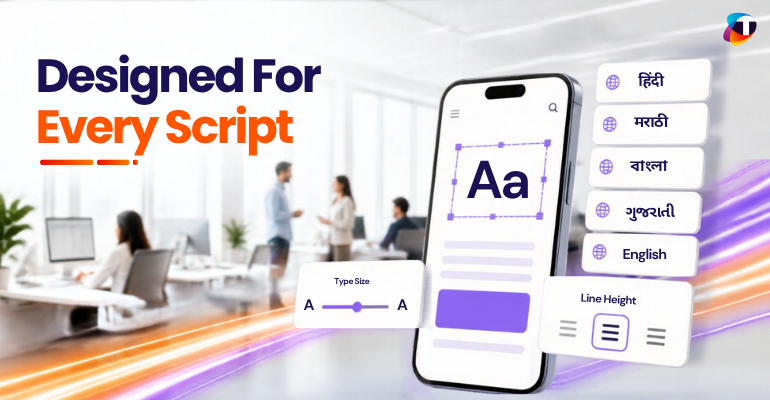
Multilingual UX for Indic Scripts: Where Regional Language Products Quietly Break
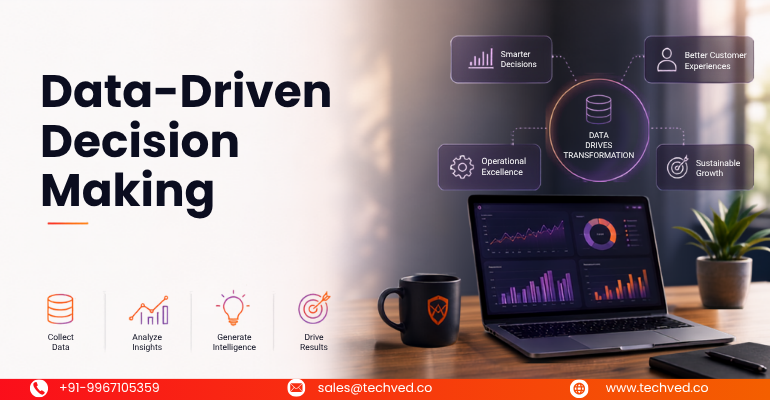
Data-Driven Decision-Making: The Overlooked Foundation of Digital Transformation
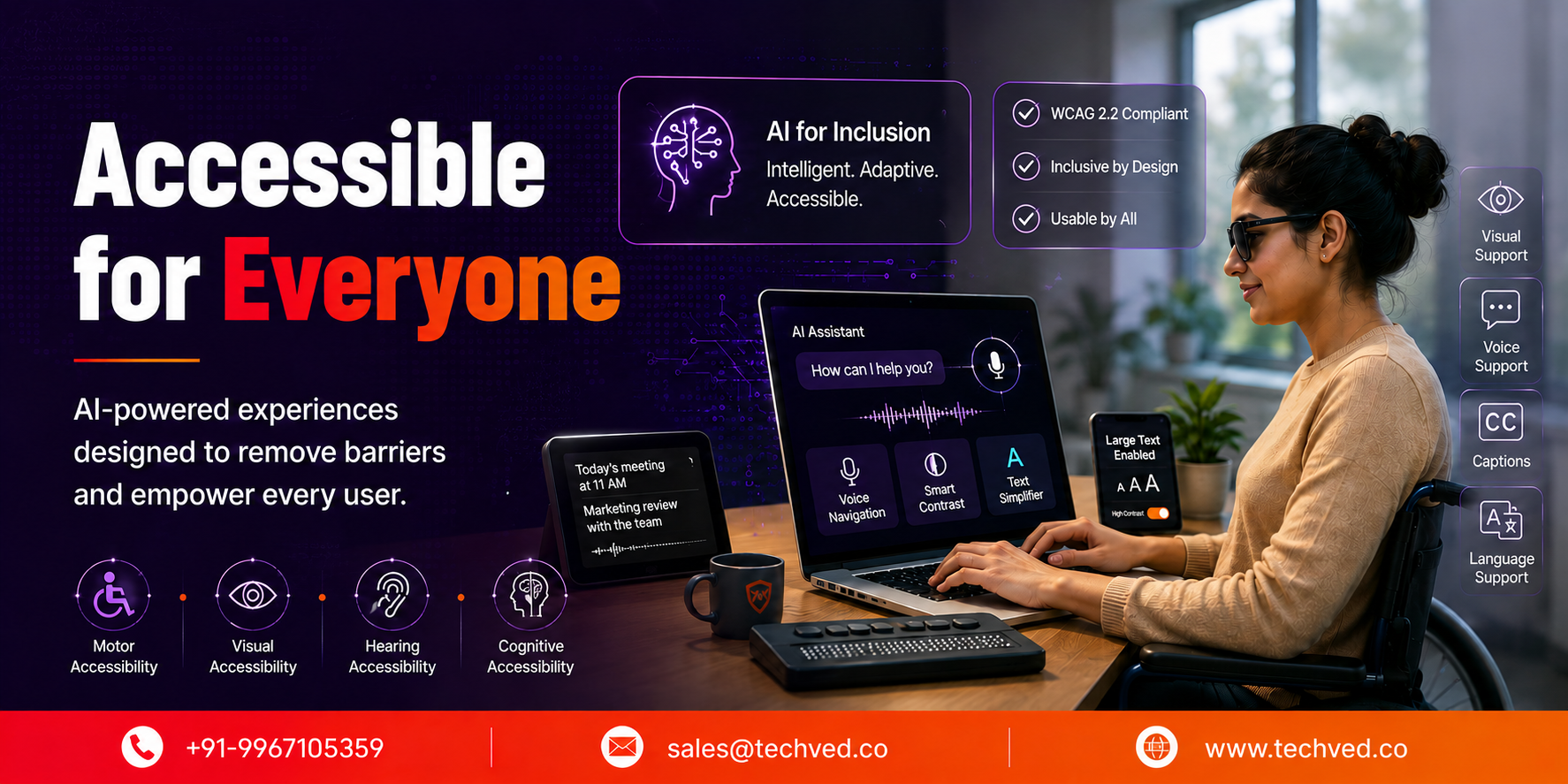
Accessibility in the Age of AI: Designing Inclusive Intelligent Experiences
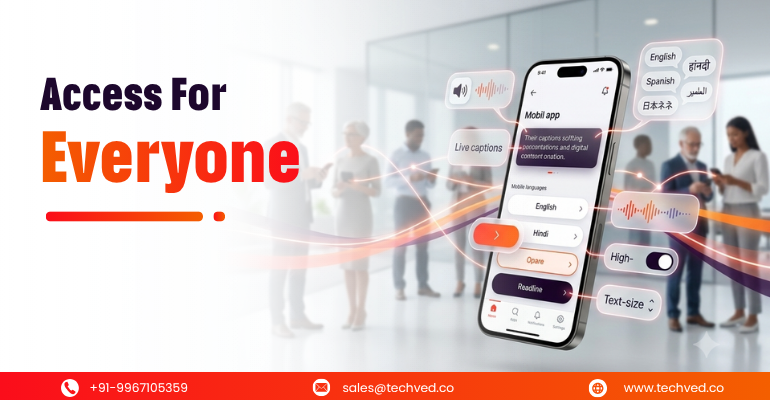
Inclusive Mobile Design: Building Accessible Apps for Global Users
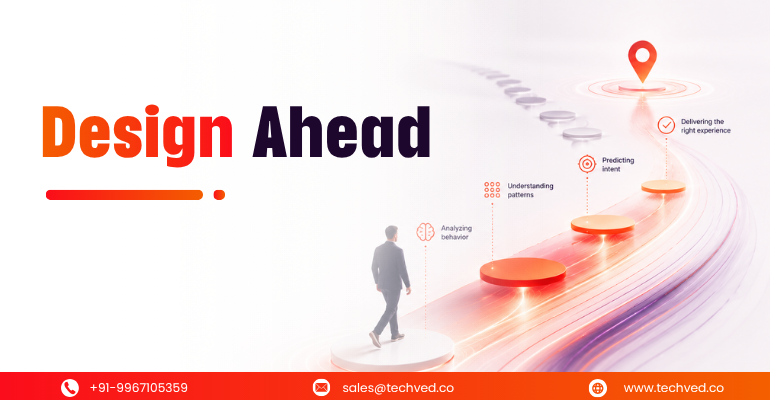
Anticipatory UX: Designing User Experiences That Predict Intent
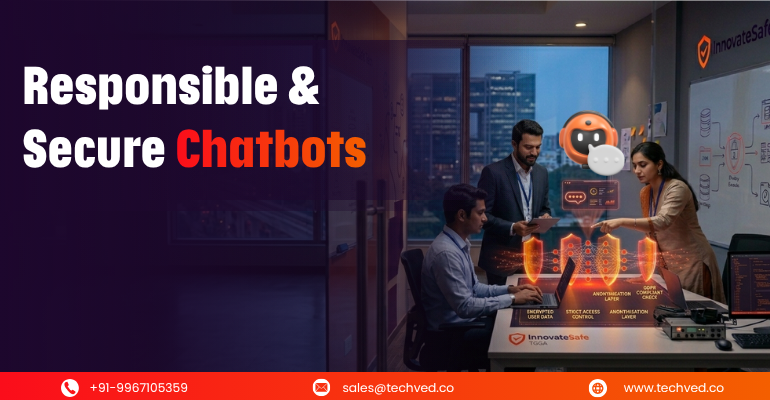
Safe Innovation: Implementing AI Chatbots with Strict Data Privacy Guardrails

DPDP 2025 Readiness: Building Credible Platforms for a Data-First World
Written By
Jay Anthony
Marketing Head
He led efforts to develop a fully integrated marketing communications plan and growing team. He is responsible for successful corporate re-brand and update of all branded assets.

Stay up-to-date with
all new market trends and
happenings
 #MultilingualUX #IndicScripts #RegionalLanguage #DesignSystems #DigitalAccessibility #TECHVED #TECHVEDConsulting
Multilingual UX for Indic Scripts: Where Regional Language Products Quietly Break
#DataDrivenDecisionMaking #DigitalTransformation #EnterpriseAnalytics #BusinessIntelligence #TECHVED #TECHVEDConsulting
Data-Driven Decision-Making: The Overlooked Foundation of Digital Transformation
#Accessibility #DigitalAccessibility #InclusiveDesign #CustomerExperience #DigitalTransformation #EnterpriseAI #TECHVED #TECHVEDConsulting #ExperienceEngineering
Accessibility in the Age of AI: Designing Inclusive Intelligent Experiences
From Ideation To Digital Transformation
We take care of all your needs


