

- Home
- Services
- Automated Translation
- TECHVED AI
- Case studies
- CLIENTS
- More

Let's get started
We believe in advancing your business growth with innovative ideations and strategies
Get In Touch


 Back
BackFrom War Data to User Data: How DPDP Compliance Becomes Critical in AI-Driven Systems
#DPDP #AICompliance #DataPrivacy

Jay Anthony
24 April 2026 | 8 min read
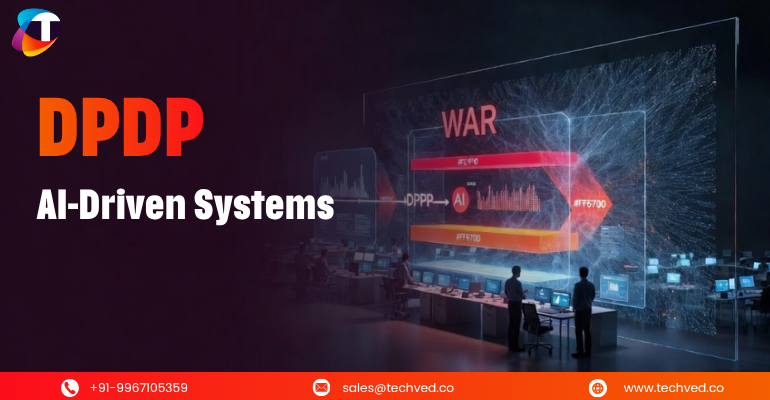
Have you ever mentioned a specific brand of shoes in a private chat, only to see an ad for those exact sneakers ten minutes later? It feels less like a helpful assistant and more like a digital stalker. This common "eavesdropping" problem is exactly why DPDP compliance has moved from a legal checkbox to a business necessity.
In the past, data was treated like fuel for digital warfare and market dominance. Today, that data powers AI, but it must be handled sensitively to stay within the law. This is why DPDP compliance is a critical infrastructure for the AI age.
What Is DPDP and Why Does It Matter for AI
The DPDP Act 2023 (Digital Personal Data Protection Act) is India's framework for lawful personal data processing. It requires consent, purpose limitation and strong security. For AI-driven systems, this creates unique challenges.
AI data privacy goes beyond traditional databases. AI models learn from data and retain patterns even after raw data deletion. They make inferences that create new personal information. Data protection in AI must account for these behaviors.
Why AI Systems Amplify DPDP Compliance Challenges
Traditional applications use data for defined purposes. Consider a checkout system that processes payments and an email platform that delivers messages. Purposes are clear and constrained.
AI systems learn patterns, make inferences and generate insights beyond original collection purposes. AI data privacy becomes complex because:
- Training data persists in model weights even after source deletion
- AI makes inferences revealing information users never provided
- Automated decisions affect users based on algorithmic patterns
- Data from many users gets combined in ways individuals can't anticipate
- Models can be reverse-engineered to extract training data
Data protection in AI requires thinking beyond traditional consent and purpose limitation to address unique characteristics of machine learning systems.
Why DPDP Compliance Is Critical for AI-Driven Systems
Enterprise AI governance must address three core requirements:
Purpose limitation- AI cannot repurpose data without fresh consent. Your customer support chatbot cannot use conversation logs for model training without permission.
Data minimization- AI systems often crave maximum data. DPDP demands minimum necessary. This tension requires deliberate architecture choices.
Accountability- You must prove compliance. This means audit trails for every AI decision using personal data.
Building Compliant AI Systems
Security by design and a secure UX design are foundational. Experience layer security ensures users understand and control their data. When a customer asks "Delete my chat history" the AI must comply instantly.
An India DPDP tech platform automates consent management, data mapping and breach notification. It integrates with your AI stack to log every data access and inference.
Regular DPDP readiness assessments evaluate your AI systems against the DPDP Act 2023. They identify gaps in model governance, consent flows and data retention.
Practical Steps for Compliance
Organizations can immediately start implementing these:
- Conduct an AI data inventory- Map all personal data entering your AI systems
- Implement model-level controls- Apply differential privacy and data minimization
- Deploy a DPDP tech platform- Automate consent and audit trails
- Train AI teams on DPDP- Engineers must understand privacy by design
- Run regular compliance drills- Simulate data subject requests and breach responses
The Business Case
DPDP compliance is often misperceived as a cost center. This view is outdated and expensive.
In the AI era, data protection in AI is a competitive advantage. Here is why.
First, trust drives revenue. Customers will not engage with systems they do not trust. Research shows 67% of consumers will not buy from a website they perceive as unsafe. When you demonstrate DPDP compliance through transparent consent and strong security, you signal reliability, converting browsers into buyers.
Second, compliance reduces breach risk. The average data breach costs $4.88 million globally. Under the DPDP Act 2023, penalties add regulatory fines to that already massive number. A robust DPDP tech platform with security by design prevents breaches before they happen.
Third, DPDP prepares you for global standards. India's DPDP framework aligns with GDPR and other international privacy laws. Organizations that master AI compliance locally can expand globally without rebuilding their data governance. Enterprise AI governance becomes an exportable asset.
Fourth, compliance improves AI performance. Data minimization and purpose limitation force cleaner datasets. Cleaner data means better models. Better models mean more accurate predictions and recommendations.
Stop viewing DPDP as a legal hurdle. Start viewing it as a strategic investment. Organizations that integrate secure UX design and experience layer security into their AI systems will win customers, reduce costs and outpace competitors.
Partner with TECHVED for AI-Ready DPDP Compliance
At TECHVED, we deliver DPDP compliance solutions designed for AI-driven enterprises. Our India DPDP tech platform integrates with your AI stack. We provide enterprise AI governance frameworks that balance innovation with protection.
Ready to secure your AI systems with DPDP? Connect with TECHVED.
FAQs
What is DPDP Act 2023?
The DPDP Act 2023 is India's Digital Personal Data Protection Act. It governs how organizations collect, process and protect personal data with requirements for consent, purpose limitation and security.
How does DPDP apply to AI systems?
AI data privacy under DPDP requires that AI models respect consent, minimize data collection and provide auditability. Unique risks like model inversion and unintended memorization must be addressed.
What is enterprise AI governance?
Enterprise AI governance is the framework of policies, controls and technologies ensuring AI systems operate ethically, securely and in compliance with regulations like DPDP.
What is a DPDP tech platform?
A DPDP tech platform automates consent management, data subject request handling and compliance reporting. It integrates with AI systems for end-to-end data protection in AI.
How do I start DPDP readiness for AI?
Begin with an AI data inventory. Map all personal data flowing into your models. Then implement security by design and partner with experts like TECHVED, offering DPDP compliance solutions.
Most Popular
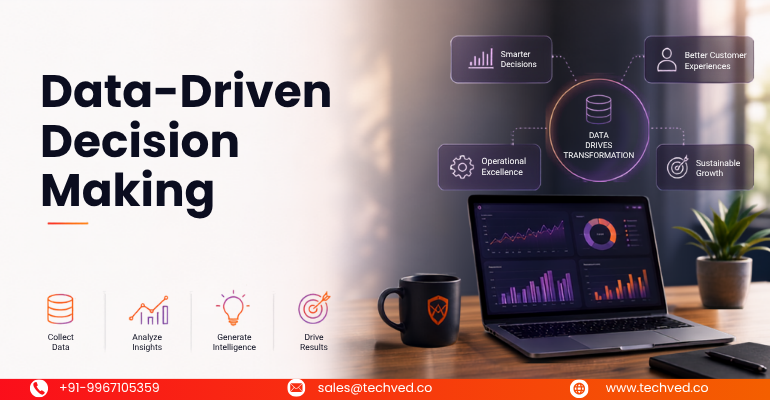
Data-Driven Decision-Making: The Overlooked Foundation of Digital Transformation
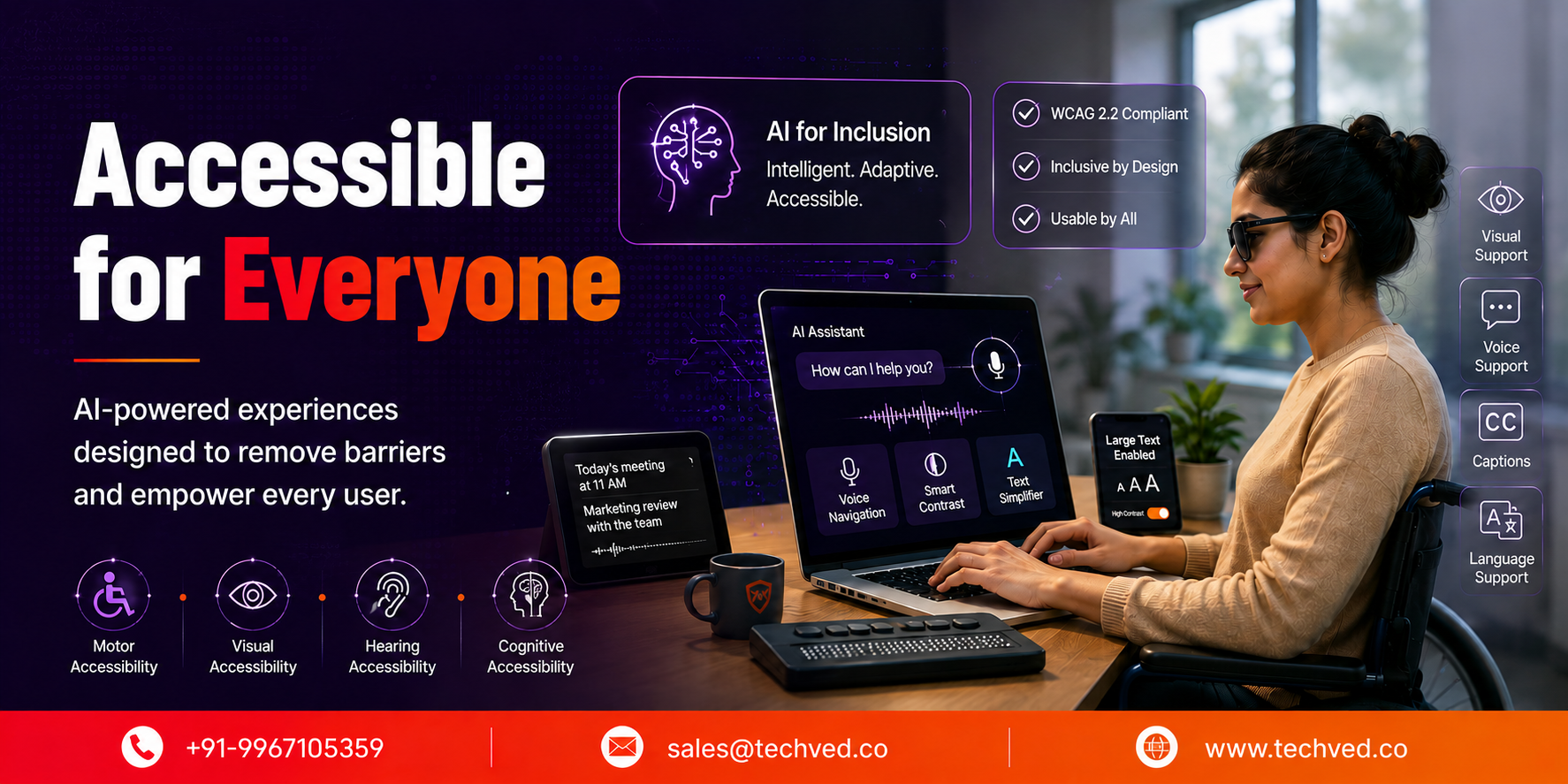
Accessibility in the Age of AI: Designing Inclusive Intelligent Experiences
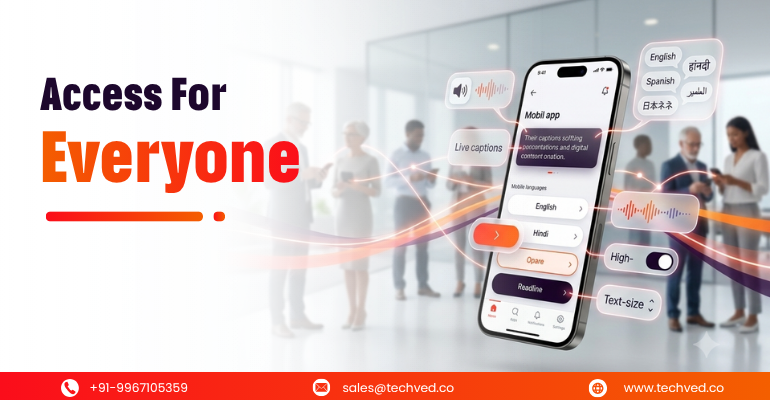
Inclusive Mobile Design: Building Accessible Apps for Global Users
Anticipatory UX: Designing User Experiences That Predict Intent

Safe Innovation: Implementing AI Chatbots with Strict Data Privacy Guardrails

DPDP 2025 Readiness: Building Credible Platforms for a Data-First World

The Trust Economy: Viewing Cybersecurity as a Growth Strategy
Written By
Jay Anthony
Marketing Head
He led efforts to develop a fully integrated marketing communications plan and growing team. He is responsible for successful corporate re-brand and update of all branded assets.

Stay up-to-date with
all new market trends and
happenings
 #DataDrivenDecisionMaking #DigitalTransformation #EnterpriseAnalytics #BusinessIntelligence #TECHVED #TECHVEDConsulting
Data-Driven Decision-Making: The Overlooked Foundation of Digital Transformation
#Accessibility #DigitalAccessibility #InclusiveDesign #CustomerExperience #DigitalTransformation #EnterpriseAI #TECHVED #TECHVEDConsulting #ExperienceEngineering
Accessibility in the Age of AI: Designing Inclusive Intelligent Experiences
#InclusiveMobileDesign #MobileAccessibility #DigitalAccessibility
Inclusive Mobile Design: Building Accessible Apps for Global Users
From Ideation To Digital Transformation
We take care of all your needs


